5 Practical Rug Cleaning and Care Tips (Updated Nov 2026)
Identify the rug, vacuum appropriately and blot spills. Avoid improvised remedies, and discuss material suitability, handling and drying before deeper cleaning.
Updated November 2026. The best starting point for rug cleaning is the care label, not a homemade recipe. A washable synthetic rug, a wool rug and a delicate handwoven piece may need very different treatment. These five habits help you care for the rug without guessing.
1. Identify the material and construction
Keep the label, purchase details and any care guide. Check the backing as well as the pile. If the rug contains a fibre blend, do not assume the most robust fibre determines how the whole piece can be cleaned.
WoolSafe’s fine fibre care guidance recommends treating a blend according to its most sensitive fibre. If you cannot identify the material, ask a rug specialist before wet cleaning.
2. Vacuum with suitable equipment
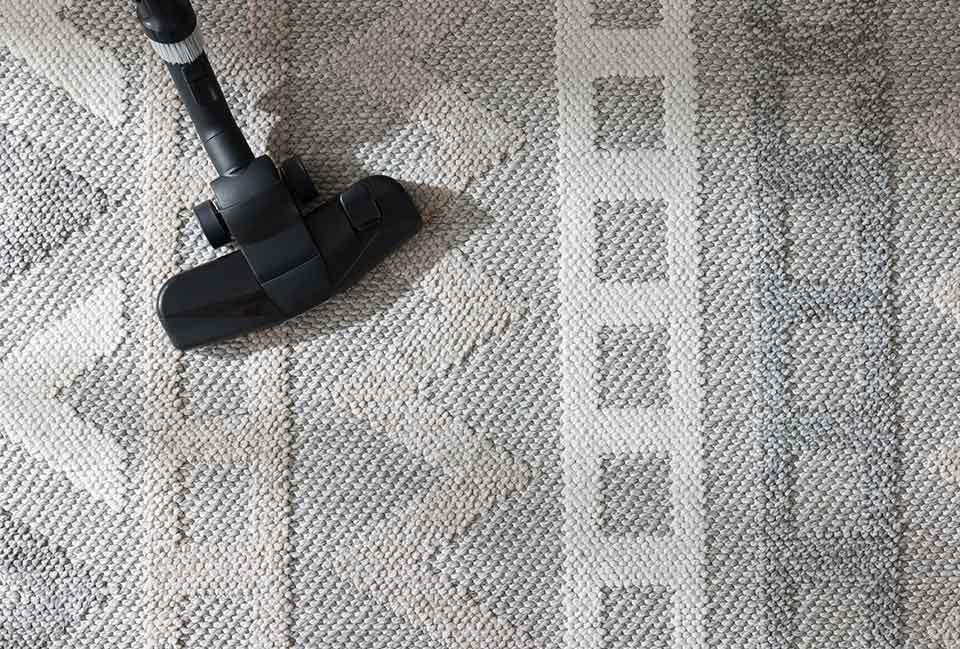
Remove loose dry soil regularly using the head and setting recommended for the rug. Avoid catching fringe or tassels in a rotating brush. Watch for loose threads, damaged edges or a backing that is starting to deteriorate.
Adjust the routine for where the rug sits. A piece near an entrance collects different soil from one beneath a rarely used table. Keep nearby mats clean to reduce the dirt reaching it.
3. Blot spills promptly
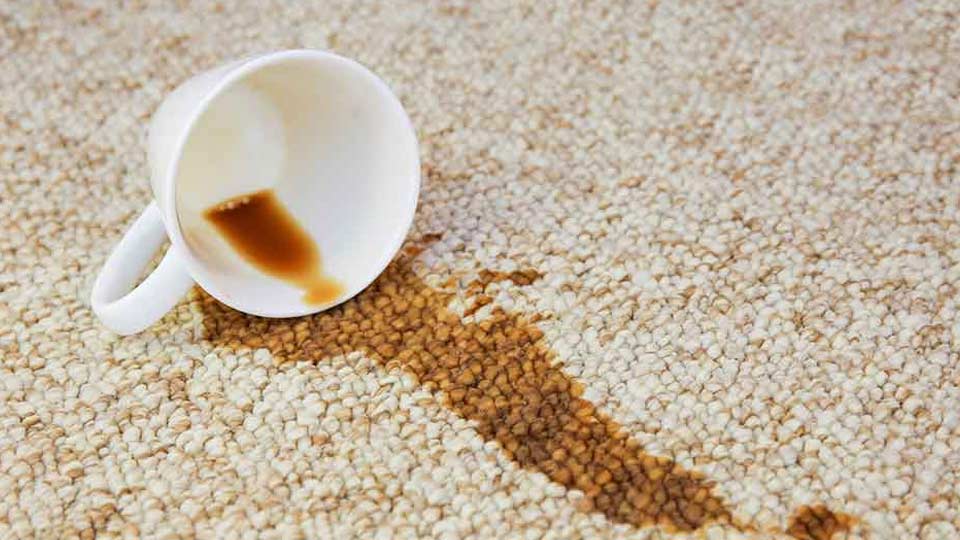
Absorb fresh liquid with a clean white cloth, changing to a dry section as you go. Work gently rather than scrubbing the pile or spreading the spill towards the fringe.
Check the care instructions before adding water or a product. Test an approved cleaner as directed in a concealed area. If colour transfers or the surface changes, stop and seek advice rather than continuing over the stain.
4. Skip improvised stain remedies
Shaving cream, flour and a strong vinegar mixture are not a reliable cleaning plan for an unidentified rug. A familiar household ingredient may leave residue or be incompatible with the fibres, dyes or backing.
Keep a record of any product you have used. If a stain remains, tell the cleaner what happened and what was applied instead of adding a second or third treatment.
5. Plan deeper cleaning and drying properly
Ask how the rug will be assessed, where cleaning takes place and how it will dry. Do not assume every rug can be cleaned in position on a timber floor or put into a washing machine.
For a quote, provide the size, material, photos of both sides and details of stains or odours. Mention fringe, loose edges and any special value so handling can be discussed before collection or a visit.
For a wool piece, read our wool rug care guide. Our professional rug cleaning service can discuss suitability and likely results. Cleaning may improve soil and marks, but it cannot be assumed to repair dye loss, damaged fringe or worn fibres.