Useful Tips to Remove Carpet Stains
Most carpet stains are winnable if you reach them early and do the right thing in the first few minutes. The mistakes that turn a spill into a permanent mark are almost always the same three: scrubbing, using hot water on a protein spill, and soaking the carpet so the stain wicks back up as it dries. Here is what actually works, in the order you should do it.
The first two minutes matter more than the product
Lift any solids off with a spoon or a blunt knife, working from the outside of the mark towards the middle so you do not spread it wider. Then blot with a clean white cloth or paper towel. Press down, hold, lift. Do not rub. Rubbing drives the spill deeper into the pile and frays the fibre tips, which leaves a dull patch that stays visible long after the colour has gone.
Use white cloth only. Patterned tea towels and coloured microfibre can transfer their own dye into damp carpet, and that is a far harder problem to fix than the original spill.
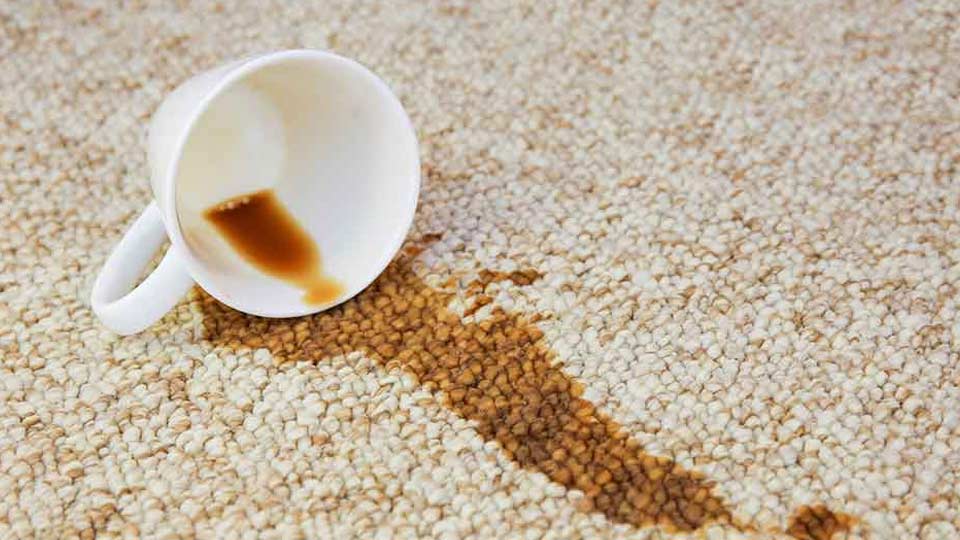
Tea, coffee and soft drink
Blot up as much as you can, then work from the edge inwards with cool water on a cloth, blotting between passes. A weak solution of clear washing-up liquid in cool water will lift what remains. Rinse by blotting with plain water afterwards so no detergent stays behind, because detergent left in the pile is sticky and will pull soil straight back to the same spot.
Red wine
Keep the mark wet. A dried red wine stain is far harder to shift than a fresh one. Blot, apply cool water, blot again, and repeat. Salt is a popular suggestion and it does absorb some liquid, but it also pushes pigment sideways into clean fibre, so we would leave it alone on carpet you care about. If the mark is still there after two or three rounds, stop and ring us rather than escalating to something stronger.
Blood, milk, egg and other protein spills
Cold water only. Heat sets protein into the fibre permanently, which is why a warm flannel is the worst thing you can reach for. Blot with cold water, keep moving to a clean part of the cloth, and be patient with it.
Pet accidents
Blot as much as possible with paper towel, then press down hard with a folded towel and your body weight behind it to draw liquid back out of the underlay. Rinse with cool water and blot again. Household ammonia is a poor choice here, because it smells similar to urine to a dog and can encourage a repeat visit to the same spot. Where a smell lingers after the mark has gone, the liquid has reached the underlay and the subfloor, and it needs professional pet stain and odour removal rather than surface work.
Grease, oil, wax and chewing gum
For wax and gum, chill the deposit with a bag of ice until it goes brittle, then break it off in pieces. For grease and oil, blot first, sprinkle bicarbonate of soda over the mark, leave it fifteen minutes to draw the oil up, then vacuum it away. Solvent spot removers do work, but they can also dissolve the latex holding the carpet backing together, so keep them off the carpet unless you know the product.
Always test first
Whatever you use, test it somewhere hidden, inside a wardrobe or under a lounge, and wait a few minutes before touching the visible mark. Wool and wool blends are especially sensitive. Ammonia, oxygen bleaches and strongly alkaline cleaners will strip colour and damage wool fibres, and that damage does not come back.
Do not over-wet the carpet
Pouring water onto a stain feels productive and usually makes things worse. Excess water carries the stain down into the underlay, then draws it back to the surface as the carpet dries, which is why a mark you thought you had removed reappears as a brown ring two days later. Keep the carpet damp, not wet, and put a fan on it afterwards.
When to stop and call someone
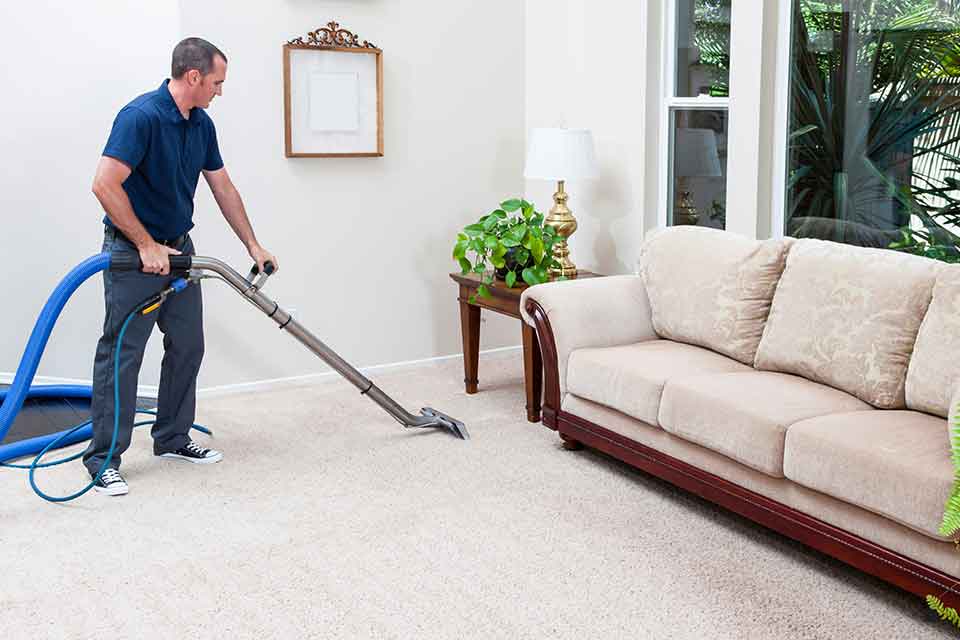
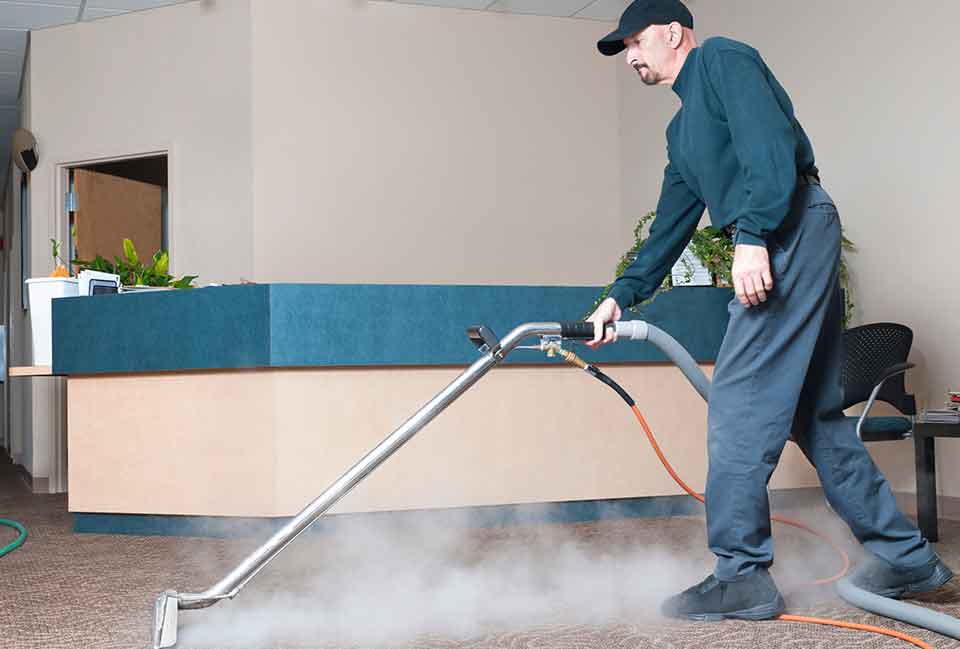
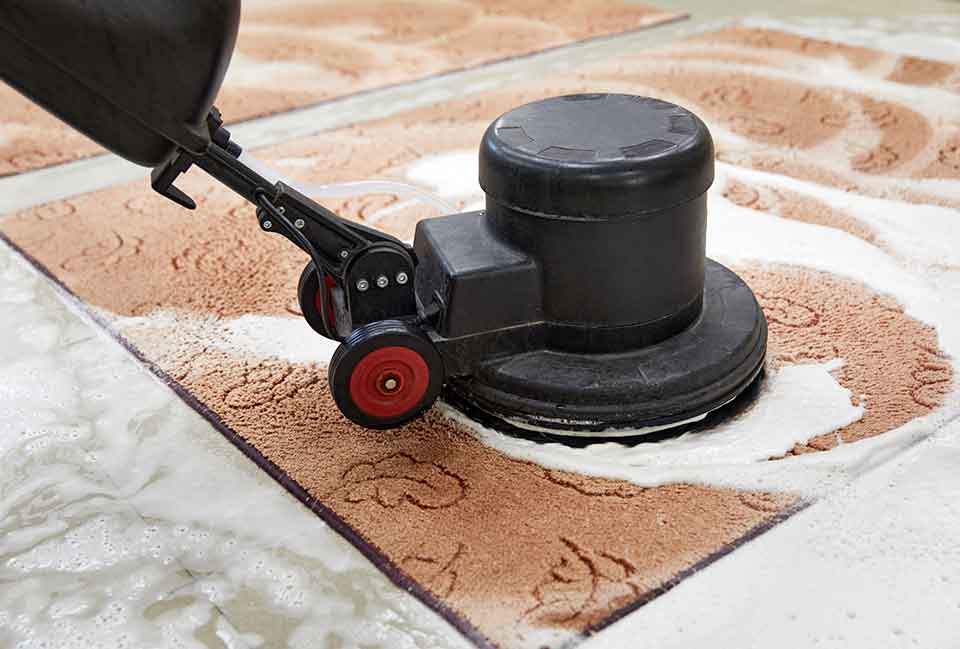
Stop if the mark has spread, if the pile looks flattened or fuzzy where you have been working, if the carpet is wool, or if the problem is a smell rather than a mark. Those are all signs it has gone below the surface. Our steam carpet cleaning uses hot water extraction to flush the fibre and pull the moisture straight back out, and we carry spotting chemistry matched to the fibre type.
Adam’s Carpet Cleaning has been family-run since 2004, with more than 25 years in the trade and IICRC-certified technicians. We work right across Sydney, from Penrith to the Sutherland Shire, and we take same-day and emergency calls when a spill will not wait. Cleaning starts from $40 to $60 per hour, with a two-bedroom home from $120 and a three-bedroom from $150. Ring 1300 309 276 or request a free quote.
Moving out and worried about a mark the agent will pick up? Our end of lease carpet cleaning covers it, and our comparison of DIY against professional cleaning is worth reading first.