Stains are an inevitable part of everyday life, whether it’s a splash of red wine on your carpet, grease on your upholstery, or mud tracked across your floors. While some marks are easy to remove, stubborn stains can linger and damage surfaces if not treated correctly. Here, we’ll show you how to tackle tough stains effectively and keep your home looking spotless.
Why Stains Become Stubborn
Stains become difficult to remove when they penetrate deep into fibres or surfaces. Heat, time, and improper cleaning methods can set stains permanently. Understanding the type of stain and the material you’re dealing with is essential for successful removal.
Common Types of Stubborn Stains
1. Food and Beverage Stains
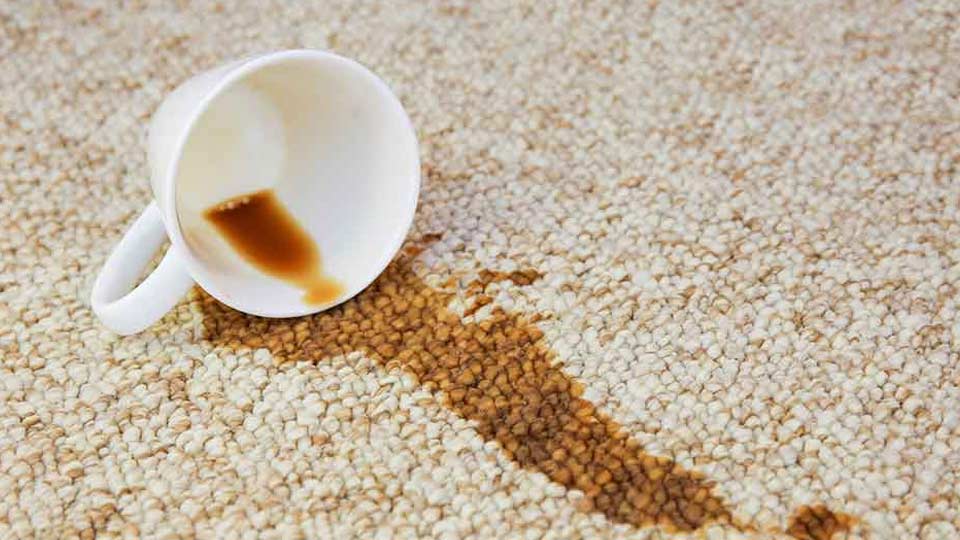
Coffee, tea, wine, and sauces can leave deep, discoloured marks if not treated promptly.
2. Grease and Oil Stains
Found in kitchens and garages, these stains cling to surfaces and require special treatment.
3. Pet Stains and Odours
Urine and other pet accidents can seep into carpets and upholstery, causing both stains and unpleasant smells. These usually need an enzyme treatment, which is part of our pet stain and odour removal service.
4. Ink and Dye Stains
Ink from pens or dyes from clothing can quickly spread and set into fibres. Paint and nail polish behave in a similar way, and we have separate guides on removing paint from carpet and nail polish from carpet.
5. Mud and Dirt
Often tracked indoors, mud can leave stubborn marks once it dries and embeds into carpet fibres.
Essential Tools for Effective Stain Removal
Before tackling stains, make sure you have the right tools:
- Clean white cloths or paper towels
- Mild detergent or specialised cleaning solution
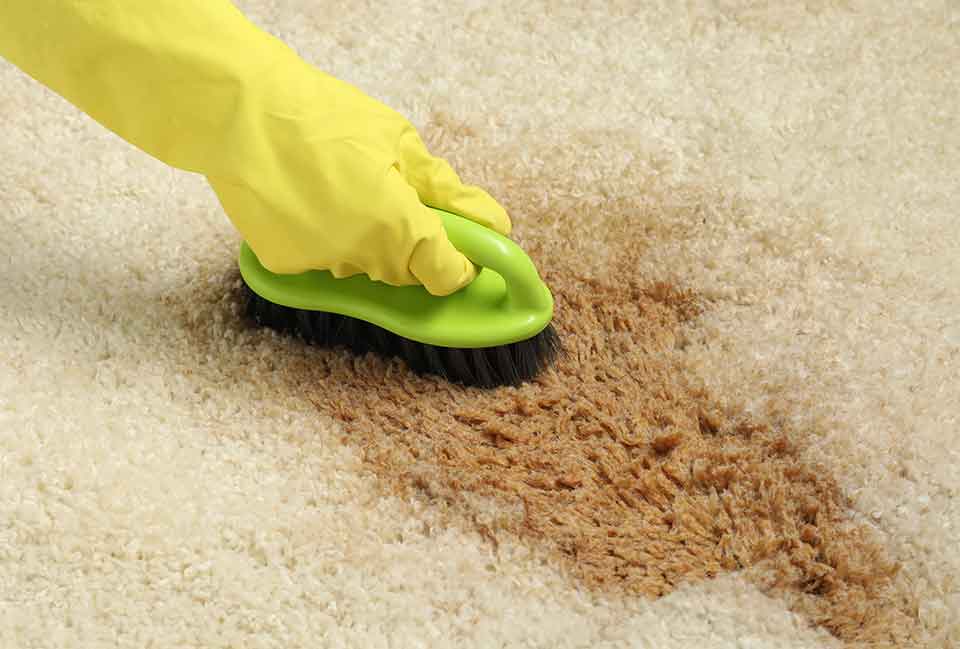
- Soft brush or sponge
- Spray bottle with water
- Baking soda and white vinegar (for natural cleaning)
Step-by-Step Guide to Removing Stubborn Stains
Step 1: Act Quickly
The sooner you treat a stain, the easier it is to remove. Fresh stains are far less likely to set into fibres.
Step 2: Blot, Don’t Rub
Gently blot the stain with a clean cloth to absorb excess liquid. Rubbing can spread the stain and damage the material.
Step 3: Apply the Right Cleaning Solution
Choose a solution suited to the type of stain:
- Water-based stains: Use a mild detergent mixed with warm water
- Oil-based stains: Apply a small amount of dishwashing liquid
- Organic stains: Use enzyme-based cleaners
Step 4: Rinse and Repeat
Lightly rinse the area with clean water and blot again. Repeat the process until the stain fades.
Step 5: Dry Thoroughly
Allow the area to air dry completely. Proper drying prevents mould and odours.
Natural Remedies for Stubborn Stains
If you prefer eco-friendly cleaning methods, try these solutions:
- Baking Soda Paste: Great for lifting grease and odours
- White Vinegar Solution: Effective for breaking down organic stains
- Lemon Juice: Helps brighten and remove mild stains
Always test natural solutions on a small, hidden area first to avoid damage.
What to Avoid When Removing Stains
- Using hot water on protein-based stains (can set the stain)
- Over-wetting carpets or upholstery
- Mixing different cleaning chemicals
- Scrubbing aggressively
- Ignoring manufacturer care instructions
When to Call Professional Cleaners
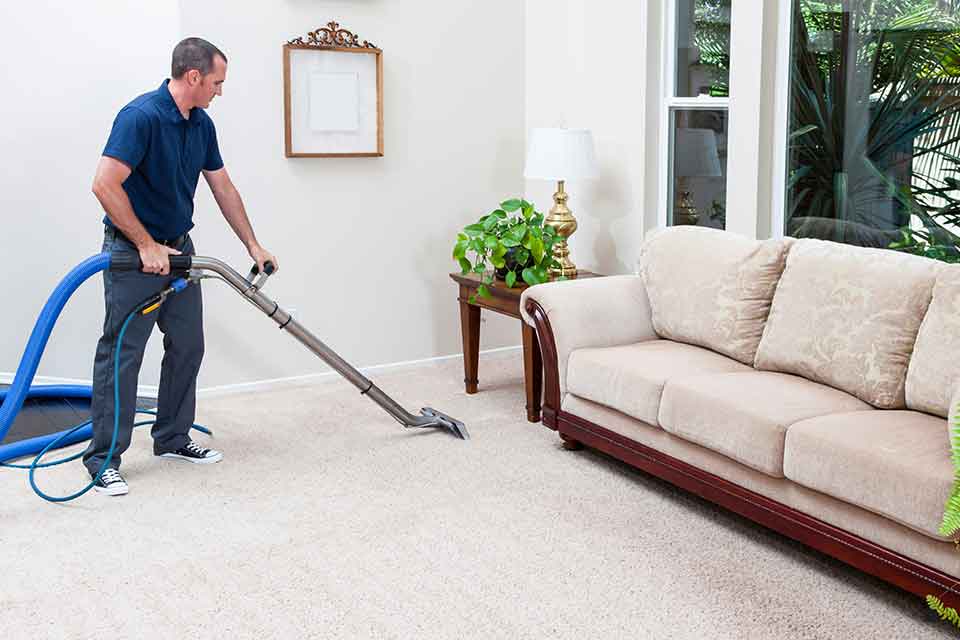
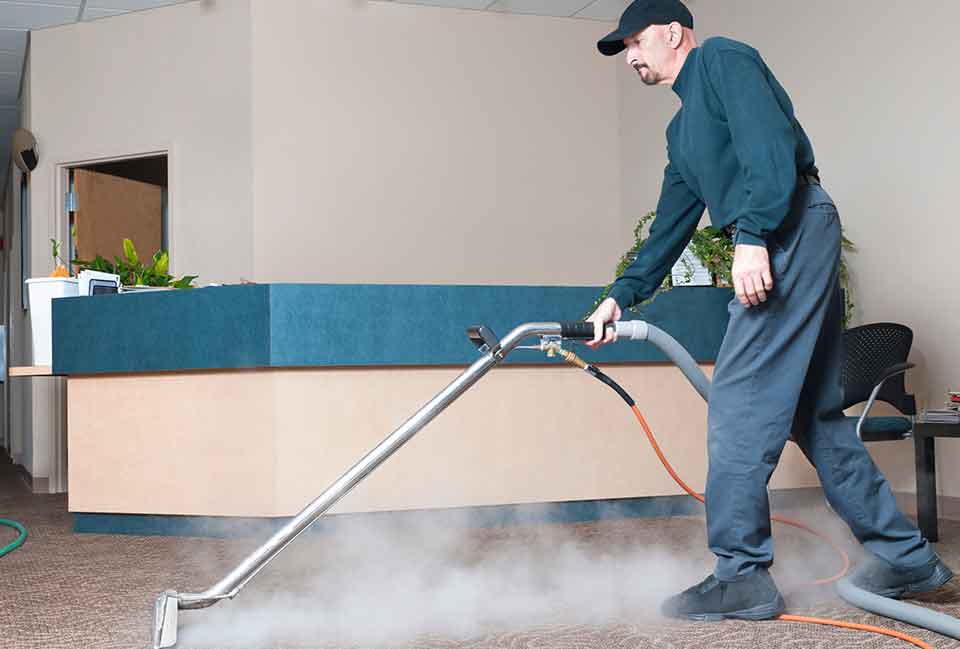
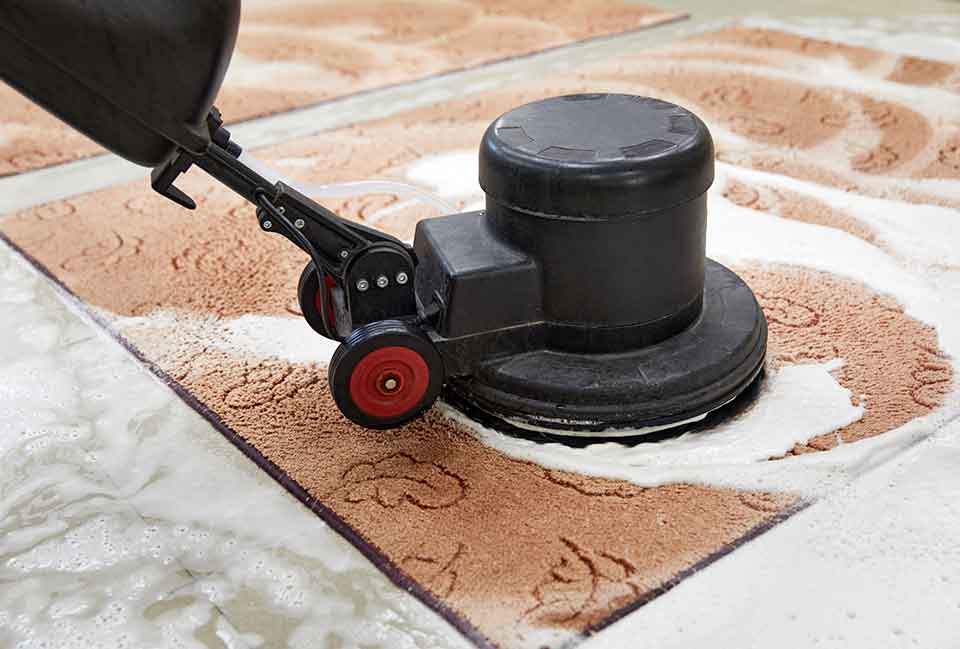
Some stains are too stubborn to handle with DIY methods. Deep-set stains, delicate materials, or recurring odours may require professional treatment. Expert cleaners use advanced equipment and specialised solutions to remove stains without damaging your surfaces.
At Adam’s Carpet Cleaning, we provide professional stain removal services across Sydney, ensuring your carpets and upholstery are restored to their best condition. Our experienced team can tackle even the toughest stains with precision and care.
Tips to Prevent Future Stains
- Use protective treatments on carpets and fabrics
- Clean spills immediately
- Place mats in high-traffic areas
- Keep cleaning supplies handy for quick action
- Schedule regular professional cleaning
Final Thoughts
Stubborn stains don’t have to be permanent. With the right approach, tools, and techniques, you can restore your surfaces and maintain a clean, fresh home. Acting quickly, using appropriate solutions, and avoiding common mistakes are the keys to success.