Most people ring a pest controller when they have already seen something they did not want to see – a cockroach in the kitchen at night, ants marching along the bench, or droppings in the pantry. What happens after that call is less obvious. Here is what the job actually involves in a Sydney home, in the order it happens.
1. The inspection comes first
Nothing is sprayed until the property has been looked at properly. A technician walks the inside and the outside, and what they are reading is the building as much as the pest. Where is moisture sitting? Are garden beds pushed hard against the brickwork? Is there a gap under the laundry door, a torn subfloor vent, mulch banked up against the weep holes? Sydney housing gives a lot of clues – a 1950s brick home with a timber subfloor has different weak points to a slab-on-ground project home or a third-floor unit.
The technician also works out which pest it is and how far it has gone. German cockroaches in a kitchen are a different job to the big Australian cockroaches that wander in from the garden after rain, and they need different treatment.
2. A plan that suits the property
Once the inspection is done, the treatment is built around four things: which pest, how established it is, the size and construction of the property, and who lives there. A house with a baby crawling on the floor and a cat asleep on the lounge does not get the same approach as an empty rental between tenants. Commercial kitchens have their own rules again.
3. The treatment itself
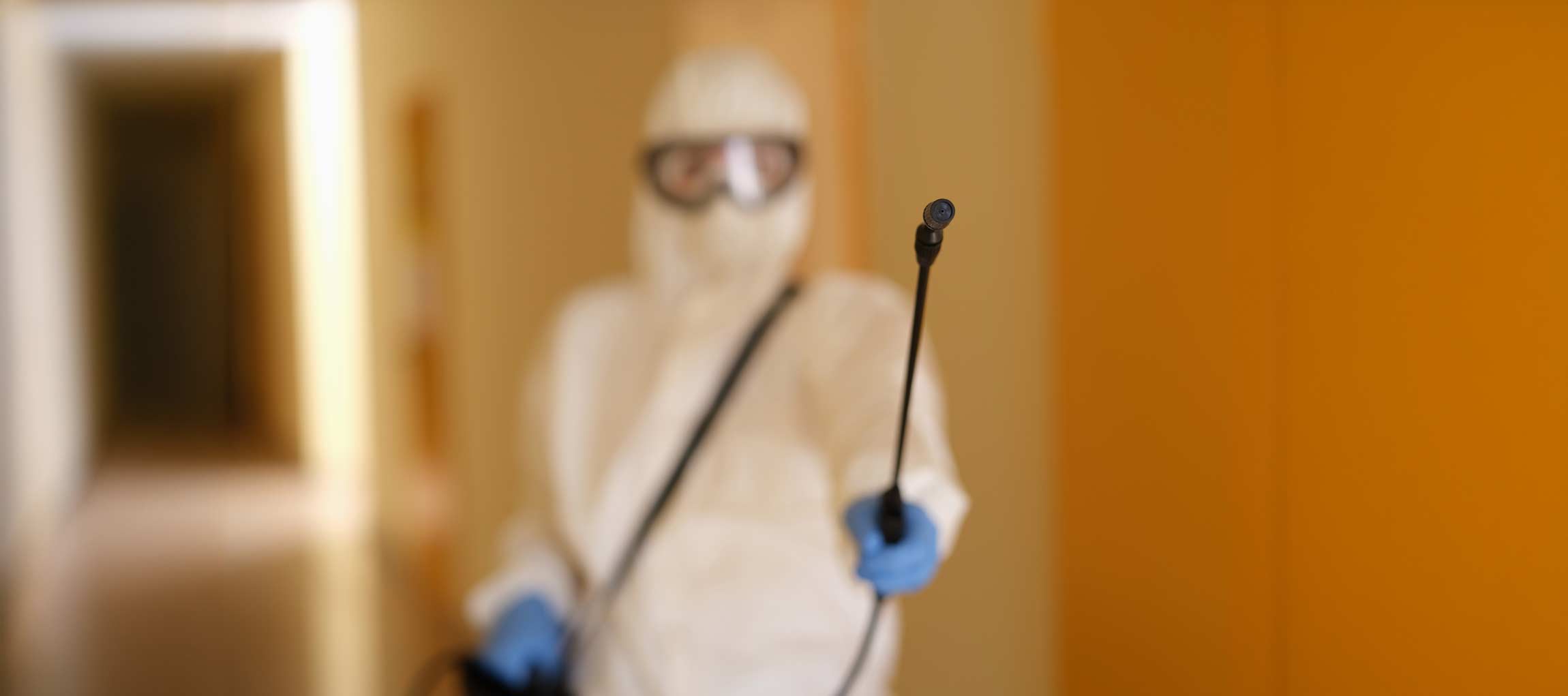
A good job usually combines methods rather than relying on one.
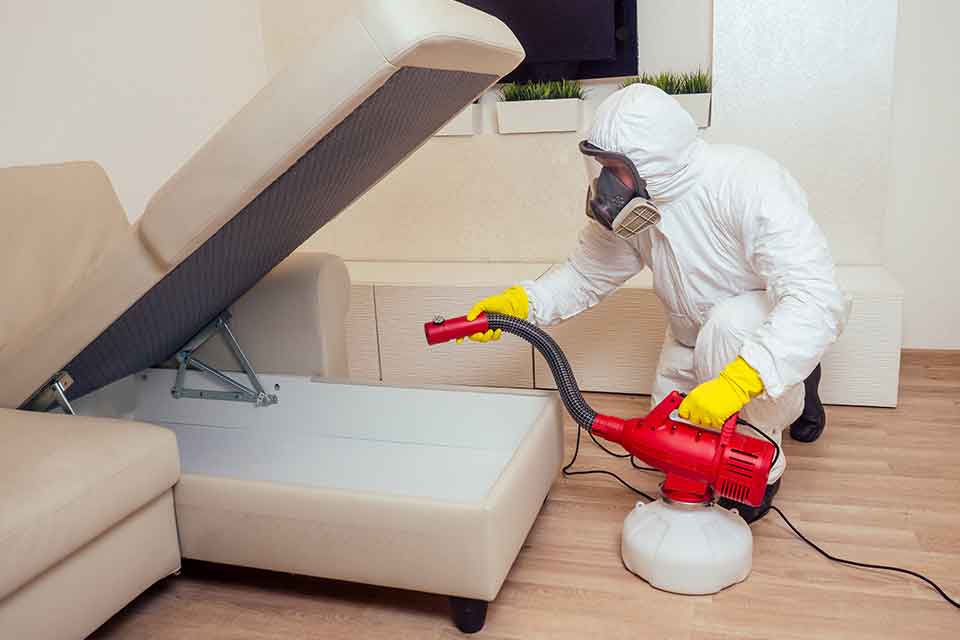
- Targeted sprays applied to skirtings, cracks, subfloor, weep holes and eaves – the paths pests travel, not the middle of the room.
- Gel baits and stations for cockroaches, ants and rodents. Baits work slowly on purpose. Insects carry it back to the nest, which is what clears a colony rather than the few you can see.
- Dusts blown into wall cavities, roof voids and subfloors where a spray cannot reach.
- Sealing and exclusion – closing the gaps, screening vents, cutting back the plants touching the house. This is the part that stops the problem coming back.
A licensed technician also keeps a record of every product used, the concentration and where it went. That record is a legal requirement in New South Wales, and it is also the document a property manager or a strata committee will ask to see.
4. Advice you should actually be given
The visit should end with a short, plain explanation of what the technician found and what you need to change. Fix the dripping tap under the sink. Move the firewood off the back wall. Take the pet bowl up at night. Trim the branch touching the gutter. None of it is glamorous, and all of it does more for the next twelve months than another litre of spray would.
5. The follow-up
Some treatments need a second visit, particularly a heavy cockroach or flea infestation where eggs hatch after the first application. Fleas are the classic example – the adults die quickly, but pupae in the carpet can sit dormant for weeks and then emerge. If your quote does not mention a follow-up for that kind of job, ask why.
Why fleas end up on the carpet cleaner’s list
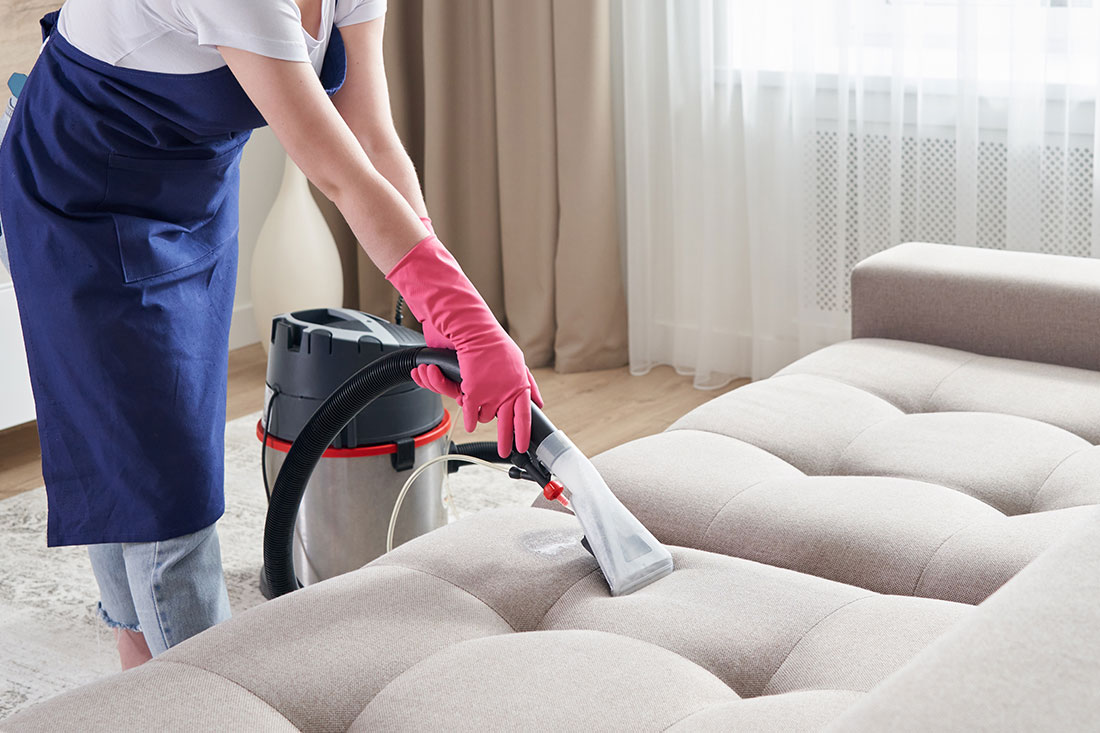
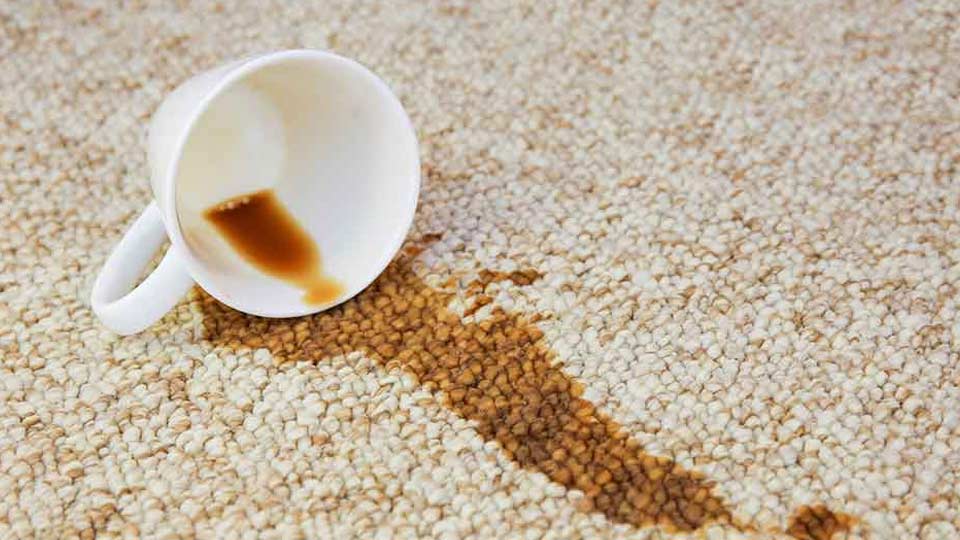
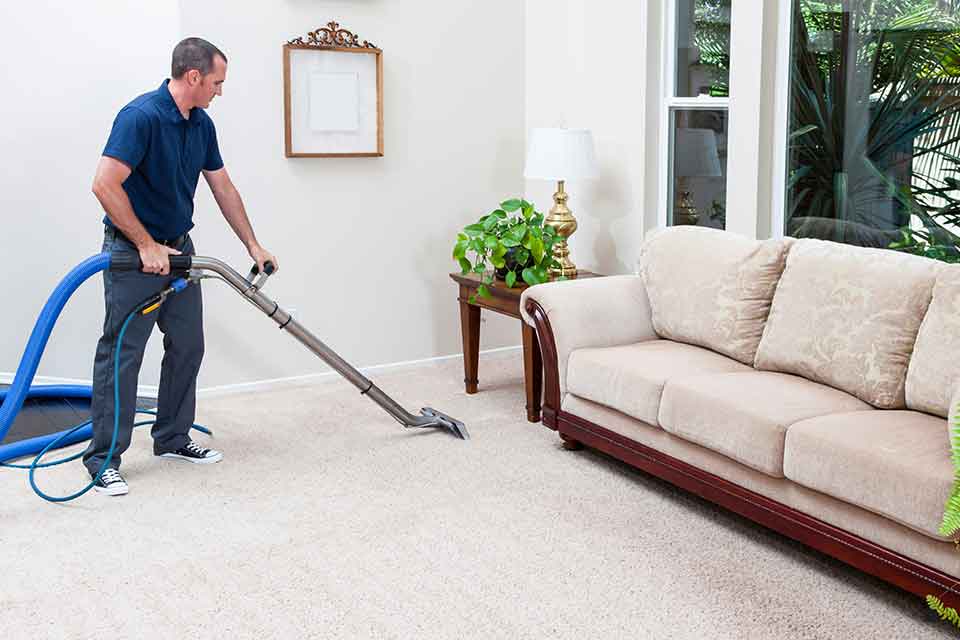
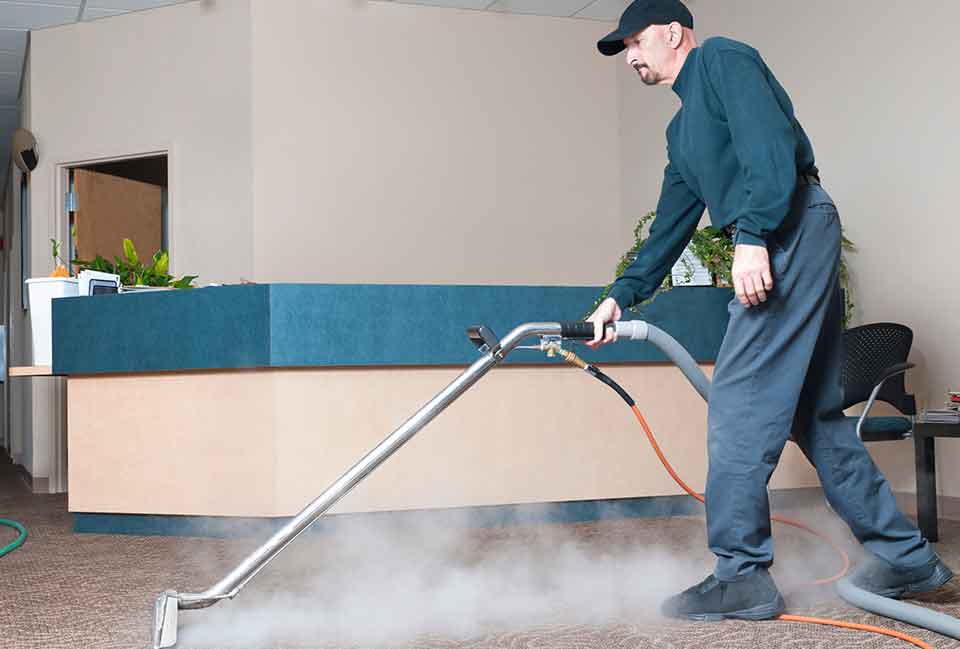
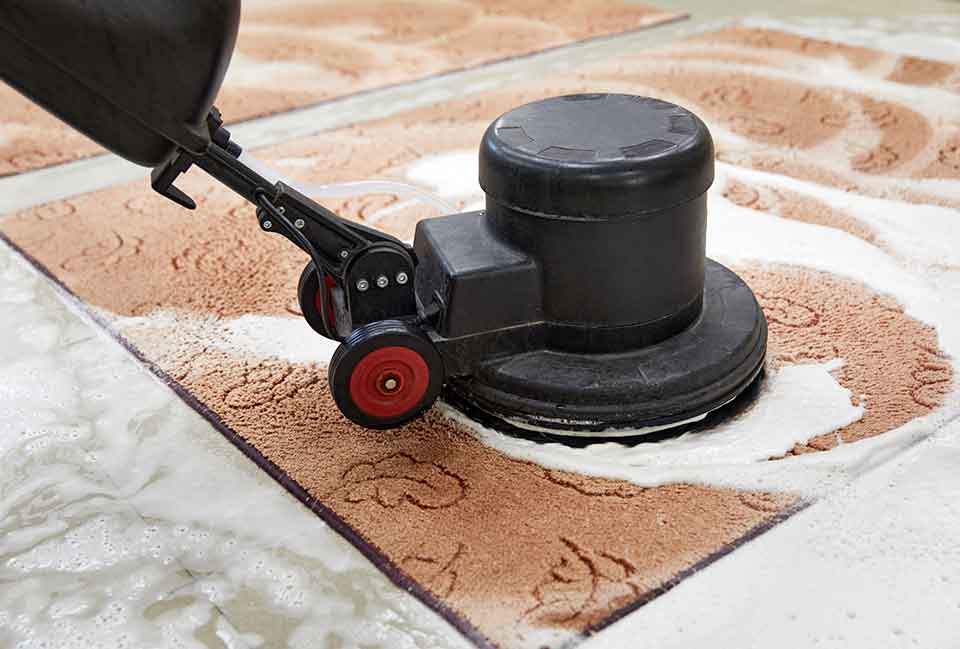
This is where our two trades meet. Flea larvae live down in the carpet pile and the underlay, feeding on debris, not on your pet. Vacuuming helps and a treatment kills what is active, but a proper hot water extraction clean physically removes the eggs, larvae and the organic matter they eat. Doing both in the one visit is far more effective than doing either on its own.
It matters most at the end of a tenancy. Nearly every pet-approved lease in Sydney requires a professional flea treatment receipt before the bond is released, and agents want it dated close to the handover. Our end of lease carpet cleaning service runs the carpet clean and the flea treatment on the same visit and issues one dated receipt for both.
What to ask before you book
- Is the technician licensed in New South Wales, and are they insured?
- What exactly is being treated, and is a follow-up included?
- How long before children and pets can be back in the room?
- Will I get a written record of the products used?
Any pest controller worth booking will answer all four without hesitating.
Adam’s covers both jobs
Adam’s has been family-run since 2004, with more than 25 years in the trade and IICRC-certified technicians. We handle pest treatment and carpet cleaning together across Sydney, which saves you coordinating two businesses around one inspection date. Related reading: the most common method of pest control, mattress cleaning for dust mites and bed bugs, and allergen treatment if someone in the house has asthma.
Ring 1300 309 276 for a free quote, or book online.