The short answer is a soft, barely damp microfibre cloth and, when that is not enough, a pH-neutral leather cleaner made for the finish your lounge actually has. Almost everything else you have been told to reach for — vinegar, baby wipes, dish soap, methylated spirits — will strip the protective topcoat and shorten the life of the leather. Here is how to tell what you own, what to use on it, and when to stop.
First, work out what sort of leather you have
Cleaning advice is useless without this step, because the same product that is safe on one finish will ruin another.
- Pigmented (protected) leather. The most common by far in Australian homes. It has a pigmented polymer coating over the hide. Water beads on it briefly. This is the most forgiving type.
- Aniline and semi-aniline. Dyed right through with little or no surface coating, so it feels warmer and more natural, and shows every scratch. Water soaks straight in and leaves a dark ring. Expensive, and easy to wreck.
- Nubuck and suede. Buffed to a nap. Never wet these with anything. They need dry brushing and a specialist product.
The water-drop test settles it. Put one drop in a hidden spot, on the back of the base or under a seat cushion. If it sits on top for thirty seconds, you have pigmented leather. If it darkens the surface immediately, you have aniline or nubuck and you should stop reading DIY guides and phone somebody.
The best everyday cleaning method
For pigmented leather, which is what most Sydney lounge suites are:
- Vacuum first with a soft brush attachment. Get into the seat crevices and the piping, where grit collects and cuts the surface every time somebody sits down.
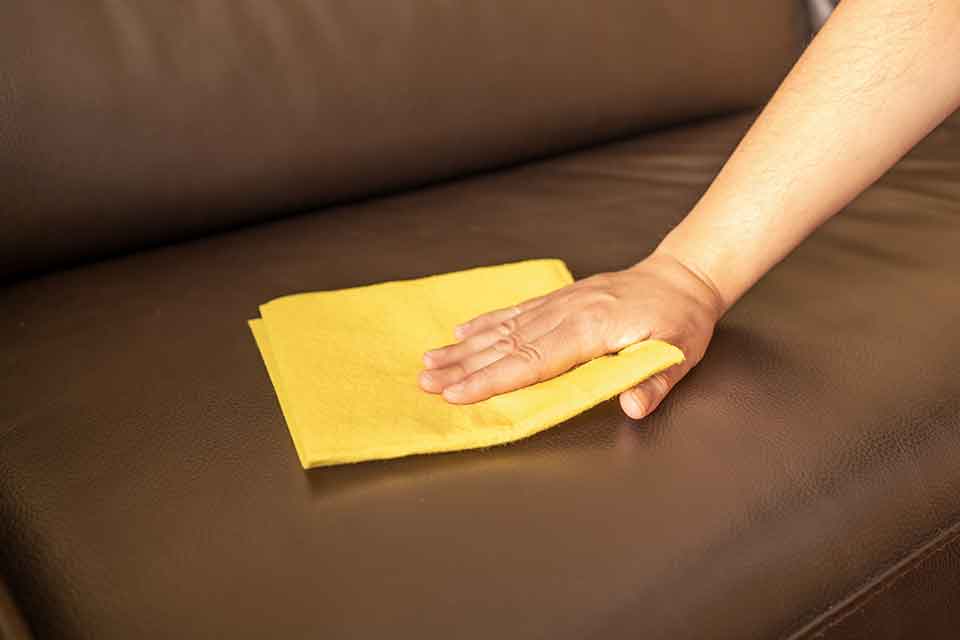
- Wring out a microfibre cloth in warm water until it is barely damp. Not wet. Wipe one panel at a time in a light circular motion.
- Dry that panel straight away with a second clean cloth before moving to the next.
- Let the piece air dry completely, away from direct sun and away from a heater.
Done fortnightly, that is genuinely all most leather needs. The damage we are called out to repair almost never comes from under-cleaning. It comes from somebody using the wrong product once.
When water is not enough
For body oils, hair product transfer on headrests, or a general dulling across the arms, step up to a dedicated pH-neutral leather cleaner. Apply it to the cloth, never directly to the lounge, and always test on a hidden panel first. Work in sections and remove the residue as you go.
Follow with a leather conditioner two or three times a year. Leather is skin, and skin dries out. In a Sydney summer, a lounge sitting near a west-facing window or under a ducted outlet loses moisture fast, and dried-out leather cracks along the seat fold long before it wears through anywhere else.
What to keep away from your leather
- Vinegar and lemon juice. Acidic. They dissolve the finish and leave dull patches you cannot put back.
- Dish soap and laundry powder. Alkaline and full of degreasers. They pull the oils out of the hide.
- Baby wipes. The most common cause of damage we see. The alcohol and surfactants lift pigment, and because the effect is gradual most people do not notice until the arm rest has gone pale.
- Methylated spirits, acetone, nail polish remover. These will take the colour off in seconds.
- Silicone-based furniture polish. Leaves a slick film that traps soil and blocks any future conditioner from absorbing.
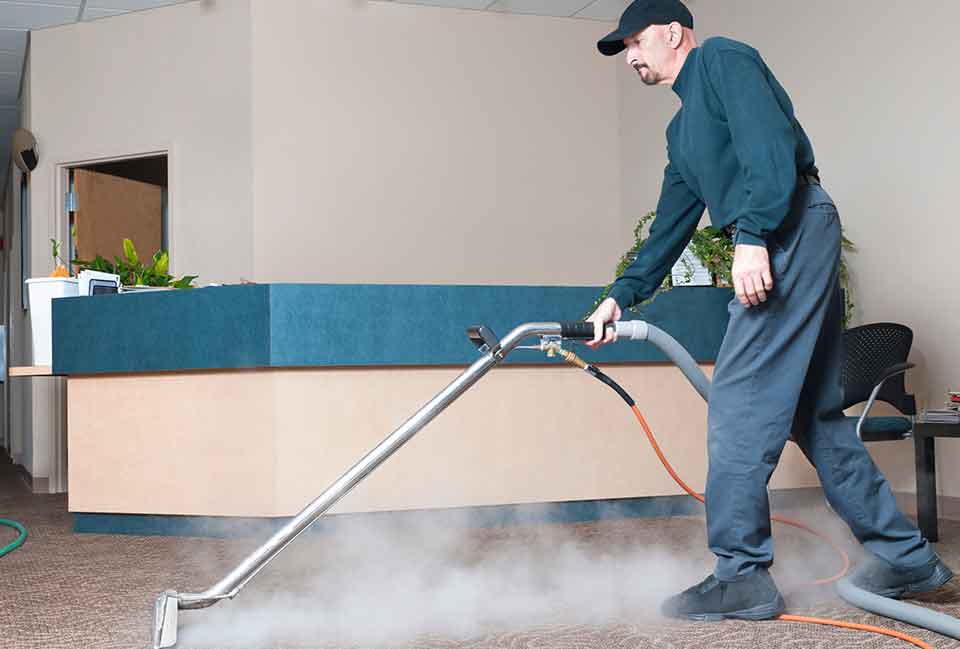
- A steam cleaner. Heat and moisture together will shrink and cockle leather. Steam is excellent on carpet and wrong on hide.
Dealing with common marks
Ink. Do not rub it. Rubbing spreads it and drives it into the grain. Blot gently and get a professional in.
Grease or food. Blot the excess, then sprinkle cornflour or talc over the mark and leave it overnight to draw the oil out. Brush it away in the morning. Repeat if needed. Do not wet it.
Pet accidents. Blot immediately, clean with a pH-neutral product, and be aware that if it has soaked into the stitching or through to the foam the smell will keep coming back. That is the same problem we deal with in pet stain and odour removal on carpet, and it needs the source treated rather than the surface.
Scuffs and dye transfer from denim. Light scuffing on pigmented leather often buffs out with a soft cloth. Dye transfer usually does not, and getting it wrong turns a cosmetic issue into a re-colour job.
When to bring in a professional
Call somebody if the leather is aniline or nubuck, if the marking covers a whole panel, if there is cracking or flaking along a seam, or if the piece is worth more than the cost of getting it wrong. Our leather cleaning service uses solutions matched to the finish, and we test before we treat.
It is also worth doing the room together. Leather sits on carpet, and cleaning one while the other holds the dust and dander that caused the problem is half a job. Plenty of customers book leather alongside fabric upholstery cleaning for the other pieces, or with a steam carpet clean in the same visit.
Keeping it right between cleans
- Keep leather at least a metre clear of heaters and out of direct afternoon sun.
- Vacuum the crevices fortnightly — grit does more damage than dirt.
- Blot spills straight away rather than scrubbing them.
- Rotate loose cushions so wear spreads evenly.
- Condition two or three times a year, more if the room runs dry.
Adam’s Carpet Cleaning is family-run and has been working on Sydney homes since 2004. Our technicians are IICRC-certified and bring more than 25 years of experience across carpet, upholstery and leather. We cover the whole metropolitan area and offer same-day help when a spill will not wait.
For advice on your own lounge or a free quote, ring 1300 309 276. If you are weighing up whether a piece is worth restoring at all, this may help: is it cheaper to clean or replace?