A wet rug can feel like a small problem at first. “It’ll dry on its own,” you might think. But here’s the truth—wet rugs are sneaky. They trap moisture deep inside the fibres and backing, quietly inviting mould, odours, and permanent damage. Before you know it, that once-beautiful rug smells musty and looks worn out.
If you’re dealing with a wet rug right now, don’t panic. You’re in the right place. In this guide, we’ll walk you through professional rug drying tips, explain what not to do, and show you when it’s time to call the experts at Adam’s Carpet Cleaning.
Let’s dry that rug the right way.
Why Wet Rugs Are a Serious Problem
Hidden Damage Beneath the Surface
A rug might look fine on top, but underneath? That’s where the trouble starts. Moisture seeps into the backing, padding, and even the floor below. Like a sponge, your rug holds onto water longer than you expect.
Over time, this trapped moisture can weaken fibres, cause colours to bleed, and break down adhesives.
Health Risks of Damp Rugs
Wet rugs are a playground for bacteria, mould, and mildew. These microscopic troublemakers can trigger allergies, asthma, and respiratory issues—especially for kids and pets.
If your rug smells “off,” that’s not just unpleasant. It’s a warning sign.
Common Causes of Wet Rugs
Flooding and Water Damage
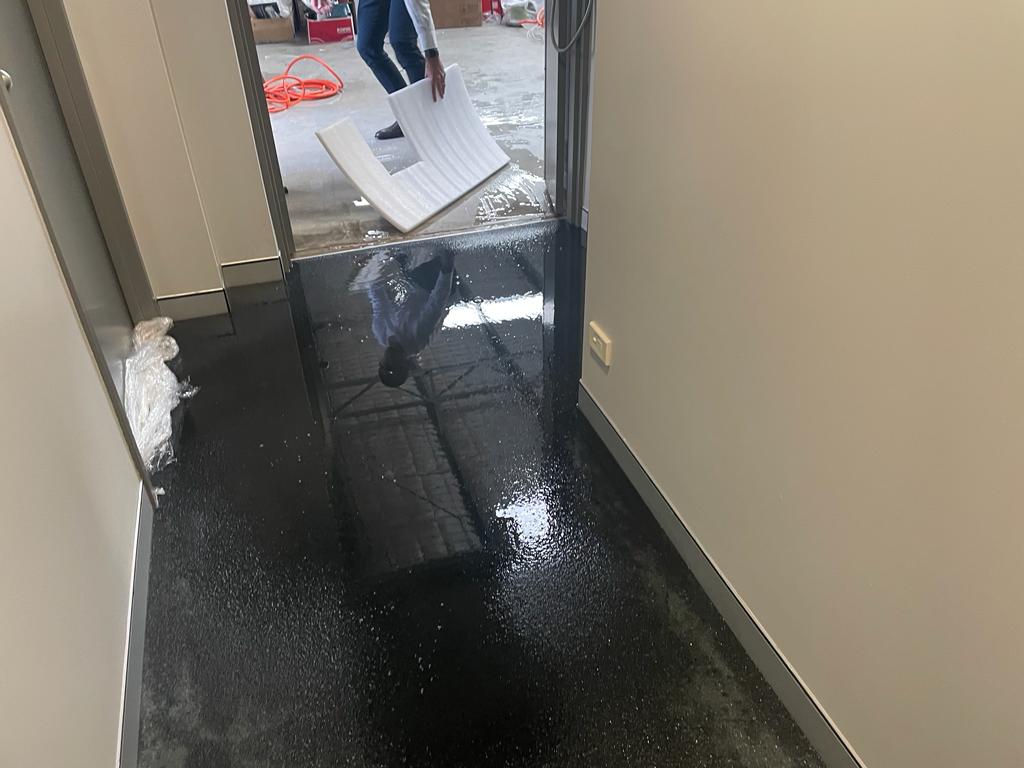
Heavy rain, burst pipes, or storm flooding can soak rugs fast. Floodwater is especially risky because it often contains dirt, bacteria, and contaminants. Our guide to wet carpet after a leak or flood covers the first 48 hours in detail.
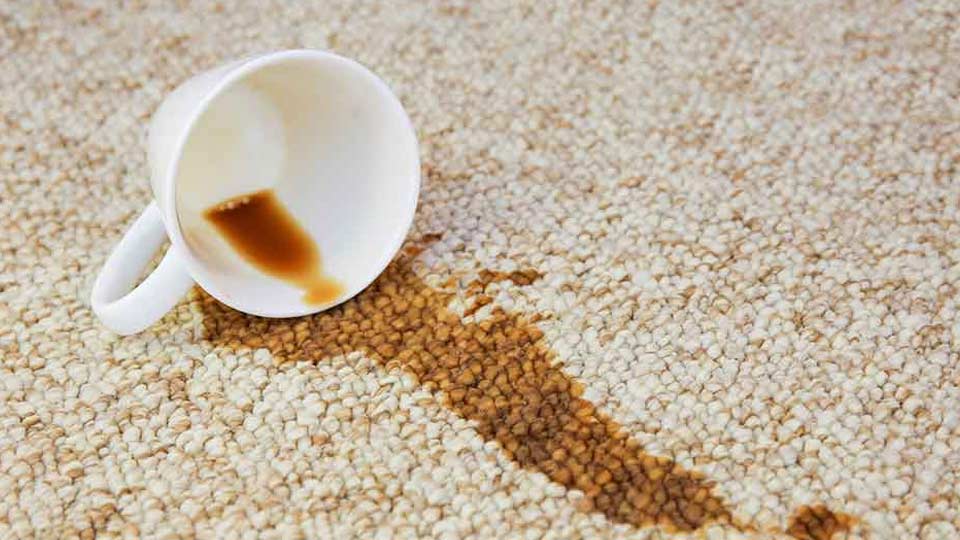
Spills, Leaks, and Overwatering
A tipped bucket, leaking appliance, or overenthusiastic mopping session can leave rugs wetter than intended.
DIY Cleaning Gone Wrong
Using too much water during DIY carpet or rug cleaning is a common mistake. Without proper extraction, moisture stays trapped.
Why Quick Rug Drying Is Critical
Preventing Mould and Mildew
Mould can start growing within 24–48 hours. The faster you dry your rug, the better your chances of saving it.
Avoiding Permanent Rug Damage
Prolonged moisture can cause shrinking, warping, fibre damage, and colour loss. Think of it like leaving wet clothes in the washing machine for days—it never ends well.
Understanding Different Rug Materials
Wool Rugs
Wool is absorbent and sensitive. It holds water longer and can shrink if dried incorrectly. See how to clean a wool rug for more on caring for wool.
Synthetic Rugs
These dry faster than wool but can still trap moisture underneath.
Silk and Delicate Rugs
These require extra care. DIY drying methods can easily ruin them.
Why Material Matters for Drying
Each rug material reacts differently to moisture and airflow. Using the wrong method can do more harm than good.
Professional Rug Drying Tips You Can Use at Home
Act Immediately
Time is everything. The sooner you start drying, the better the outcome.
Remove Excess Water
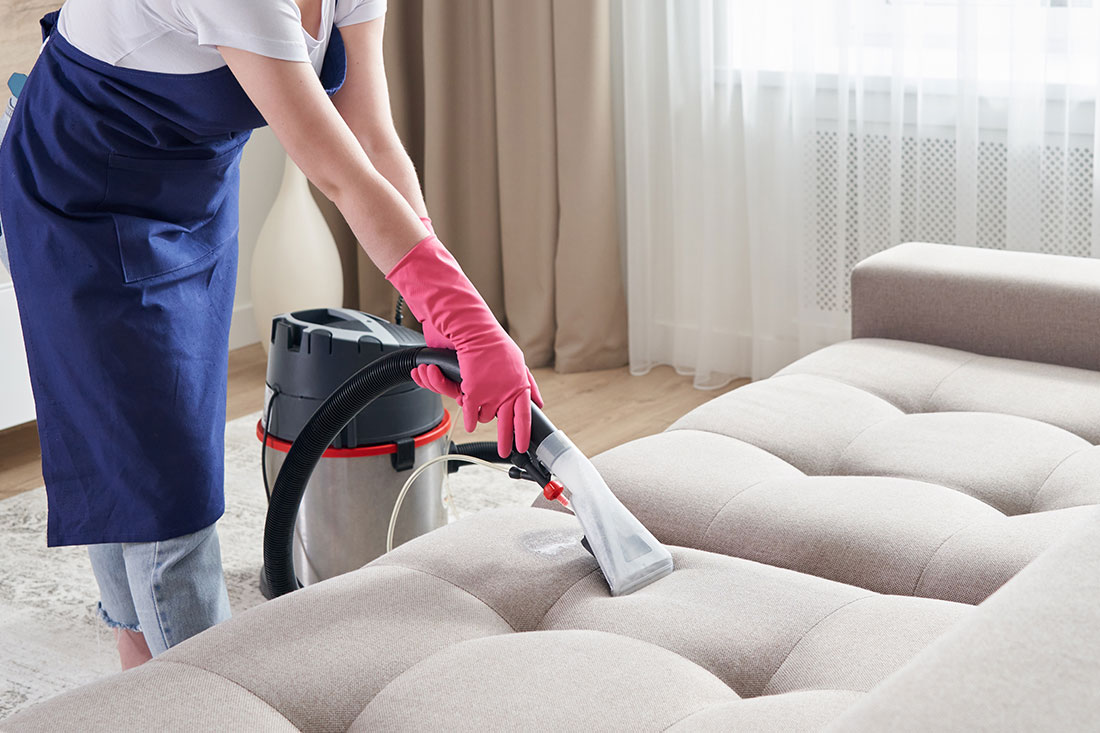
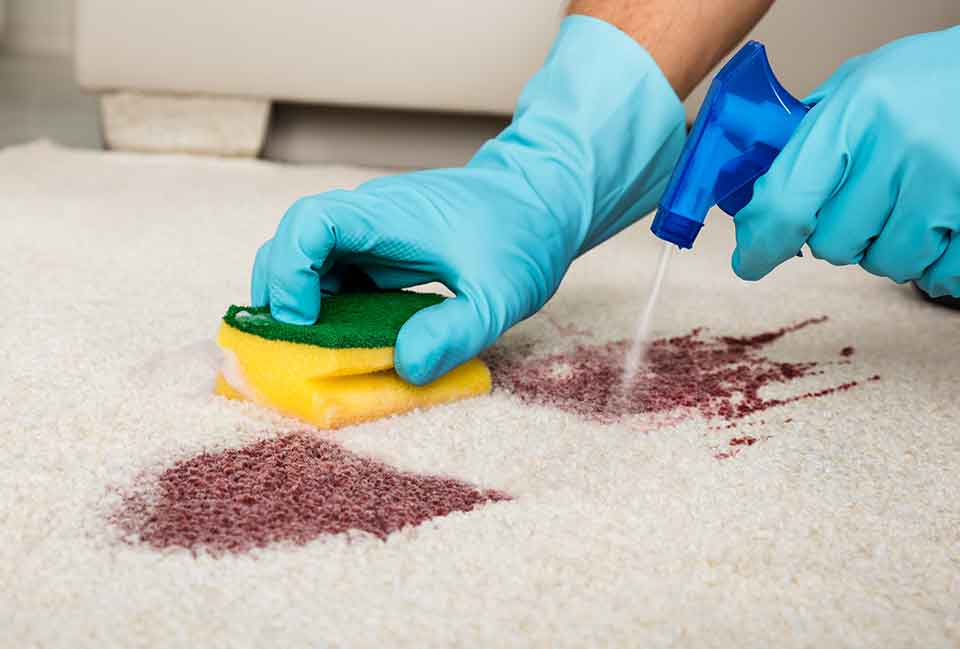
Blot spills with clean towels. For larger wet areas, a wet vacuum works best. Never rub—it spreads moisture deeper.
Improve Airflow
Open windows and doors if weather permits. Fresh air helps moisture escape.
Use Fans and Dehumidifiers
Fans keep air moving, while dehumidifiers pull moisture out of the air. This combo is powerful.
Elevate the Rug
Lift the rug off the floor using chairs or blocks to allow airflow underneath.
Best Positioning Techniques
Lay the rug flat or hang it evenly. Avoid folding—it traps moisture.
Mistakes to Avoid When Drying a Wet Rug
Using Heat Incorrectly
Hair dryers and heaters can cause shrinkage and fibre damage. Heat dries the surface too fast while moisture stays trapped inside.
Leaving Rugs on the Floor
Drying a rug flat on the floor can trap moisture underneath, leading to mould on both rug and flooring.
Ignoring the Underlay
The rug pad underneath often stays wetter than the rug itself. Ignoring it is a big mistake.
How Professionals Dry Wet Rugs
Industrial Equipment Explained
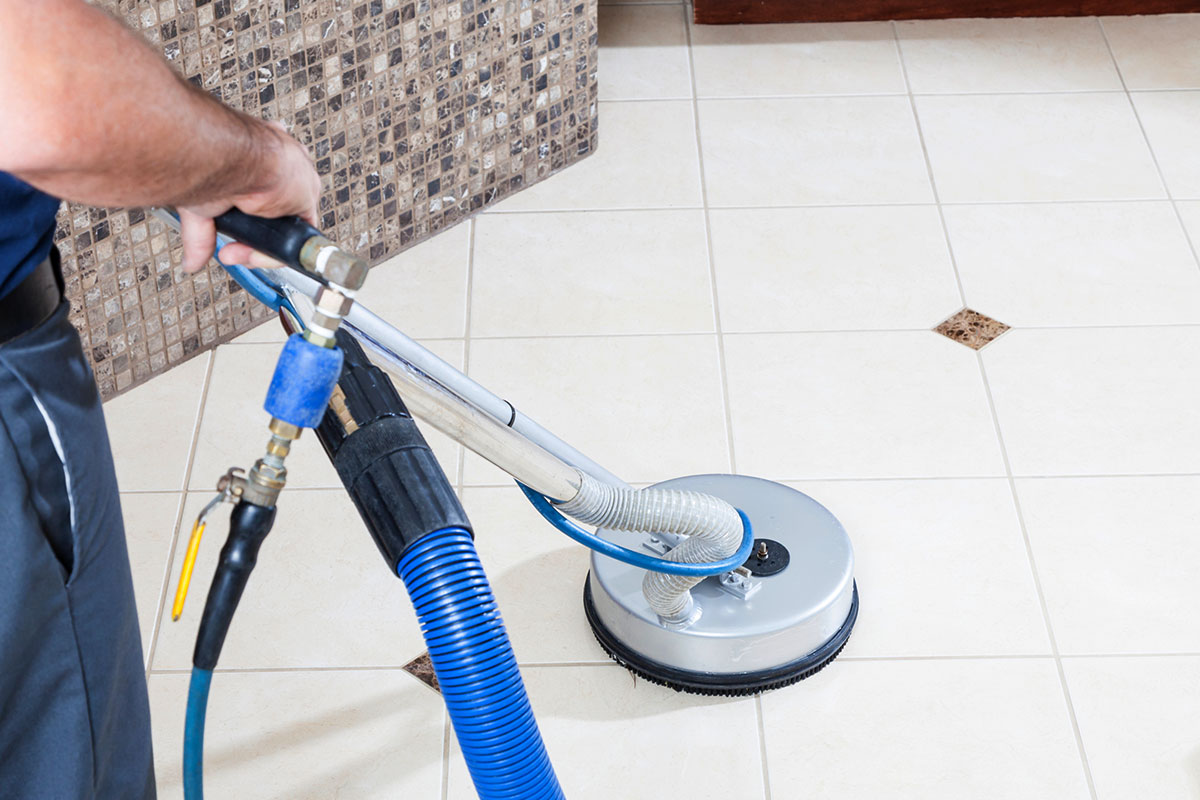
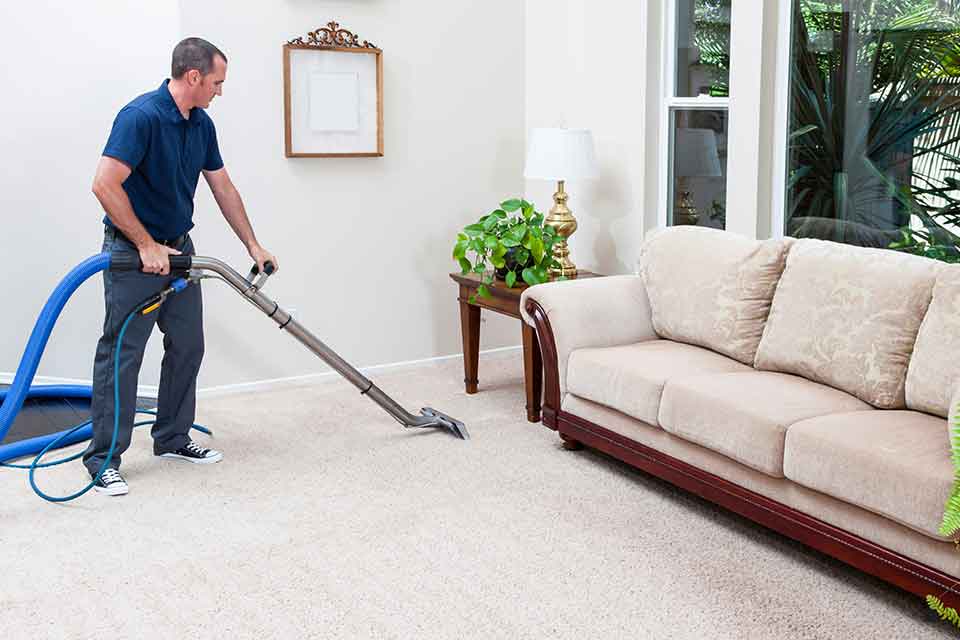
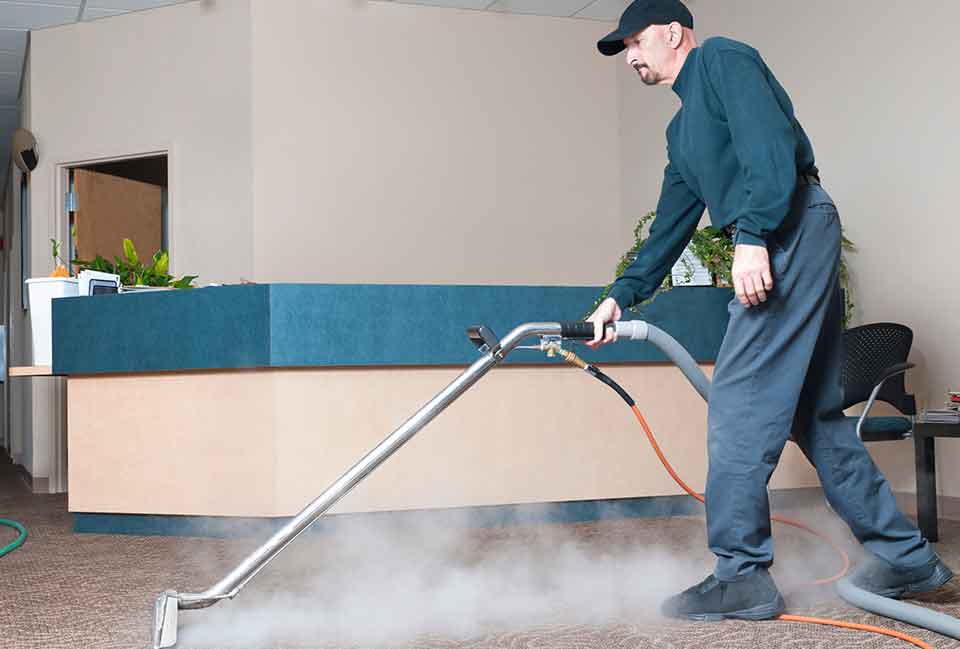
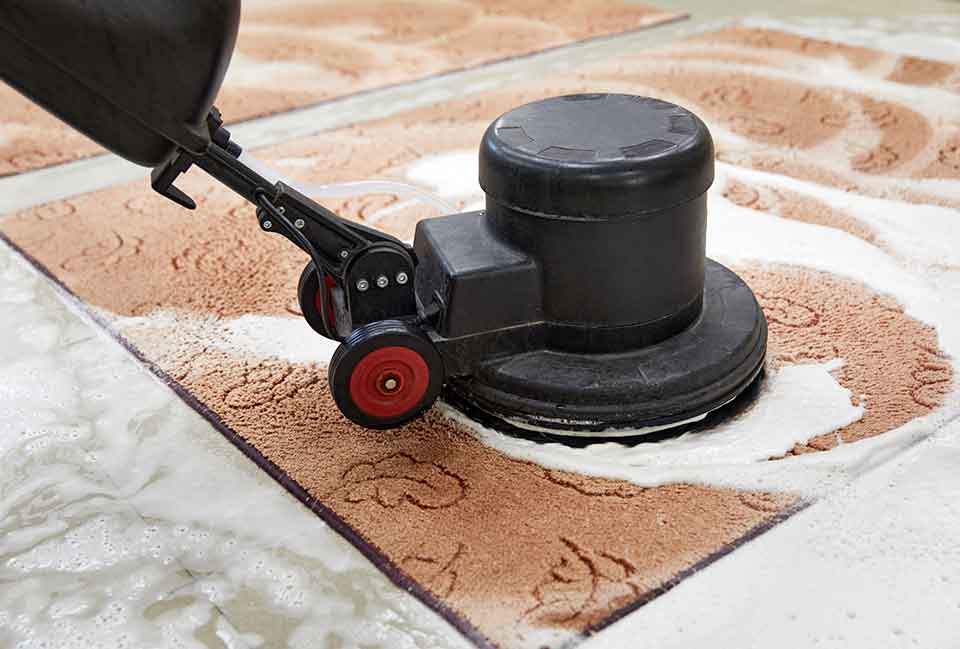
Professionals use high-powered air movers, dehumidifiers, and extraction tools designed to remove deep moisture.
Controlled Drying Environments
Rugs are dried in controlled spaces where airflow, humidity, and temperature are carefully balanced.
Moisture Testing and Monitoring
Professionals don’t guess—they test moisture levels to ensure the rug is fully dry.
When to Call Professional Rug Drying Services
Signs You Need Expert Help
Strong musty odours
Water damage from flooding
Rugs still damp after 24 hours
Colour bleeding or rippling
Flood Damage vs Minor Spills
Minor spills can often be managed at home. Flood-damaged rugs almost always need professional rug cleaning and drying.
Why Choose Professional Rug Drying in Sydney
Faster Results
What takes days at home can be done in hours by professionals.
Long-Term Protection
Professional drying prevents mould growth, fibre damage, and costly replacements.
How Adam’s Carpet Cleaning Handles Wet Rugs
Step-by-Step Professional Process
Thorough water extraction
Rug inspection and material assessment
Controlled drying using professional equipment
Moisture testing to confirm complete drying
Safe, Effective, and Reliable Drying
At Adam’s Carpet Cleaning, we treat your rugs like an investment—not just another job. Our Sydney-based team ensures your rug is dried safely and thoroughly.
Preventing Rugs from Getting Wet Again
Simple Prevention Tips
Use door mats during wet weather
Fix leaks quickly
Avoid over-wetting during cleaning
Maintenance and Care Advice
Regular professional cleaning keeps rugs resilient and easier to dry if accidents happen.
Conclusion
A wet rug isn’t just an inconvenience—it’s a race against time. The faster you act, the better your chances of saving it. While small spills can be handled at home with the right techniques, serious water damage calls for professional care.
If your rug is wet, smells musty, or shows signs of damage, don’t risk it. Adam’s Carpet Cleaning is here to help with expert rug drying services across Sydney. Your rug—and your health—are worth it.