Author: hello@krishnaale.au

Tile Grout Cleaning

Can Professional Cleaners Actually Remove Mould From Tile Grout?

Yes – if the mould is growing on the grout, professional cleaning removes it. If the grout is stained black all the way through, or the discolouration is coming from behind the tiles, cleaning alone will not fix it and no product on the supermarket shelf will either.

Telling those two situations apart is the whole job, and it is why we would rather look at a bathroom before quoting a miracle. Here is how to tell which one you have, what professional grout cleaning actually involves, and what it costs in Australia.

Why grout goes black in the first place

Grout is cement based and porous. Under a microscope it looks like a sponge. In a Sydney bathroom – warm, humid, poorly ventilated, wet twice a day – that sponge holds moisture, soap residue and skin cells, which is a complete meal for mould. Add a bathroom with a small window that never gets opened and you have ideal growing conditions.

Three things commonly get mistaken for each other:

  • Surface mould. Black or pink spotting sitting on top of the grout and silicone. This cleans up.
  • Deeply embedded staining. Years of soil that has soaked into the porous grout. This improves substantially with professional cleaning but may not return to bright white.
  • Moisture from behind. A failed waterproof membrane or a leak in the wall pushing moisture out through the grout. Cleaning this is pointless – it comes back within weeks, and it needs a waterproofing repair, not a cleaner.

A quick test: clean a small area thoroughly. If it stays clean for a month, you had surface mould. If the black returns in a fortnight in the same spot, you have a moisture source that needs fixing first.

What professional tile and grout cleaning involves

It is not a mop and a bottle of bleach. A proper job looks like this:

  • Assessment. Identifying the grout type, tile type and whether the staining is surface or structural. Natural stone in particular can be permanently damaged by acidic products.
  • Alkaline pre-treatment. A dwell time long enough for the product to break down the soap scum, body oils and biological growth.
  • Mechanical agitation. Grout brushes along the lines, because chemistry alone does not lift embedded soil.
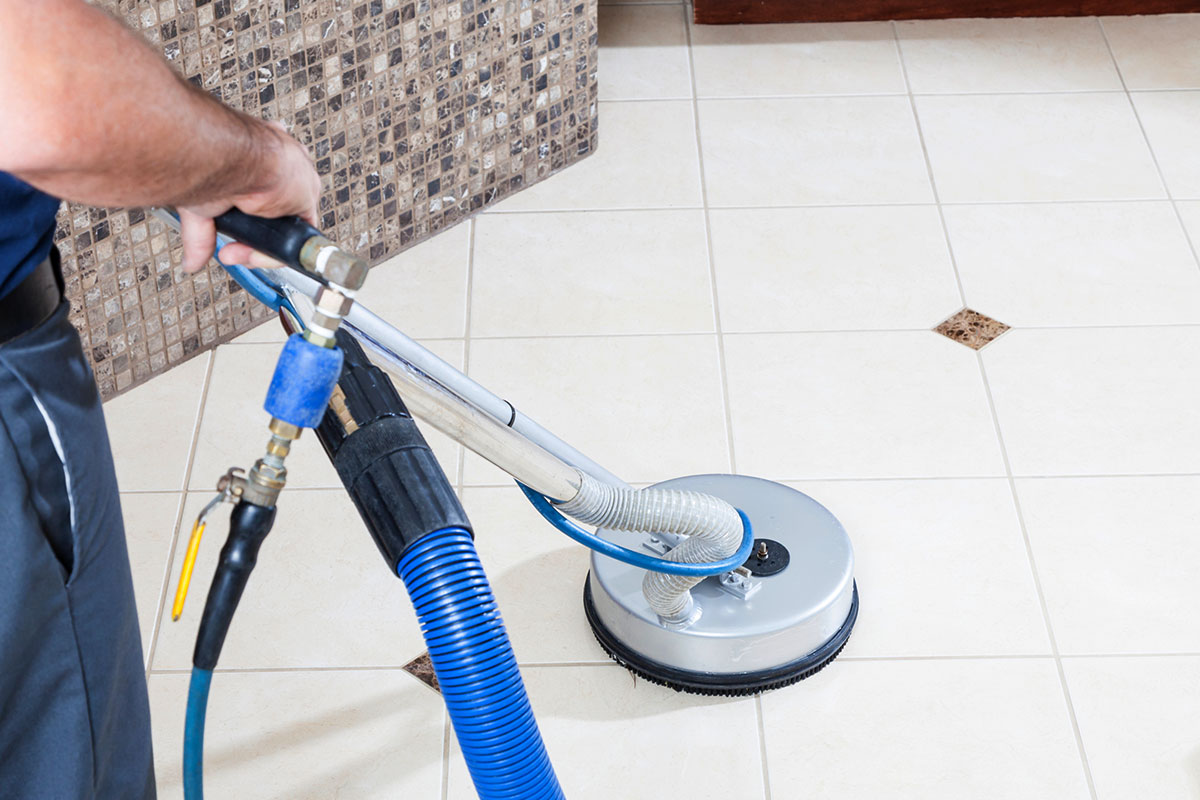
  • High pressure extraction. A spinner tool that blasts hot water into the grout and vacuums it straight back out at the same time, so the dirty water goes into the truck instead of across your floor.
  • Sanitising treatment where mould is present.
  • Sealing. A penetrating sealer that closes the pores so the grout stops absorbing everything.

Sealing is the step people skip and then wonder why it looks bad again within a year. Cleaning without sealing is leaving the sponge open.

Why bleach is not the answer

Bleach removes the colour from mould. It does not necessarily kill the growth in a porous surface, because the roots sit below the surface where bleach, being mostly water, dilutes before it gets there. So the grout looks white for a fortnight and then the spots reappear, and everyone concludes the mould is “unkillable”. Repeated bleaching also erodes the grout and can damage silicone, coloured grout and natural stone permanently.

What it costs in Australia

General market guidance for 2026:

  • Standard bathroom floor and shower: around $150 to $350
  • Kitchen floor: often priced per square metre, commonly around $8 to $18 per m2
  • Grout sealing: commonly $3 to $8 per m2 as an add-on
  • Grout colour sealing or recolouring: higher again, but it can rescue grout that cleaning alone cannot

Most companies have a minimum call out, so combining the bathroom with the kitchen, laundry or entry tiles usually gives you far better value than doing one small area on its own. Ask whether sealing is included or extra – that is where quotes differ most.

When cleaning is not enough

We will tell you honestly when you have hit the limit:

  • Grout has eroded or is crumbling. It needs regrouting, not cleaning.
  • Mouldy silicone in the corners. Silicone cannot be cleaned once mould is under the surface. It gets cut out and replaced – a cheap job that transforms how a shower looks.
  • Persistent damp patch. Waterproofing failure. A tiler or waterproofer, not a cleaner.
  • Grout that will never be uniform again. Colour sealing is the answer here, and it gives a consistent finish that cleaning cannot.

Keeping it clean afterwards

  • Run the exhaust fan during every shower and for 20 minutes afterwards. This is the single most effective thing you can do.
  • Squeegee the shower walls. Thirty seconds a day beats an afternoon of scrubbing.
  • Use pH neutral cleaners. Acidic and strongly alkaline supermarket products erode grout and strip sealer.
  • Leave the shower screen open so air can move through.
  • Reseal every couple of years, or when water stops beading on the grout lines.

Frequently asked questions

Will my grout come back to bright white?

Sometimes, and it depends entirely on the grout. Cleaning restores the original colour; it cannot make grout whiter than it was manufactured. Where original colour cannot be recovered, colour sealing gives a uniform finish that looks new.

Is professional grout cleaning safe for natural stone?

Only with the right products. Acidic cleaners will etch marble, travertine and limestone permanently. Always tell your cleaner what your tiles are, and if you are not sure, say so – it should be checked before anything is applied.

How long does it take?

A typical bathroom takes one to two hours. Sealing needs the surface dry, so it is often done as a second stage or later the same day.

How often should tiles and grout be professionally cleaned?

Every one to two years for a busy family bathroom or kitchen, and reseal at the same time. Between visits, ventilation does most of the work.

Can you remove mould from shower silicone?

Not reliably. Once mould is growing beneath the surface of silicone, replacement is the proper fix.

Get your tiles looked at properly

If your grout is going dark and you are not sure whether it is mould, staining or a moisture problem, we are happy to take a look and tell you straight. Call Adam’s Carpet Cleaning on 1300 309 276 or request a free quote online for tile and grout cleaning across Sydney. Family owned, 20 plus years, and we would rather tell you to call a waterproofer than take your money for a job that will not last.
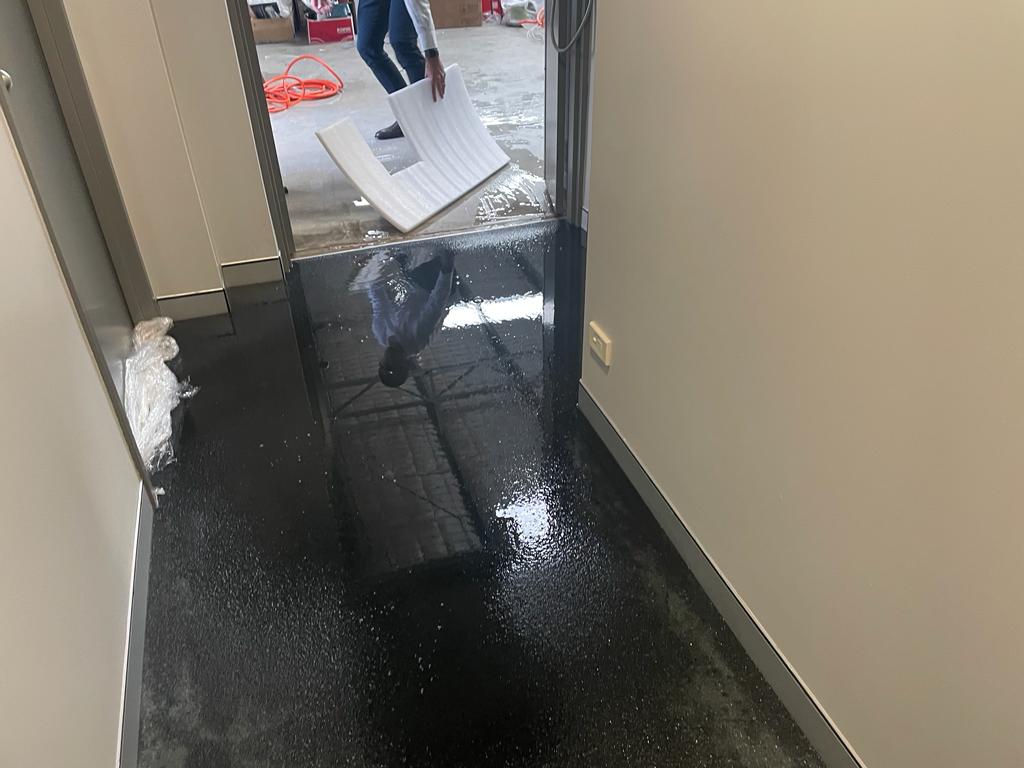
flooded-carpet-cleaning-work

Wet Carpet After a Leak or Flood? The First 48 Hours Decide Everything

If your carpet is wet, you have roughly 24 to 48 hours before mould becomes a real problem. That is the whole article in one line. Everything else – whether it is salvageable, whether the underlay survives, whether the room smells for the next two years – is decided in those first two days.

We get these calls at all hours: a burst flexi hose under the vanity, a washing machine outlet that let go, a storm that came in sideways off the balcony, a fridge line that has been quietly leaking for a week. The homes that come out of it fine are almost never the ones with the least water. They are the ones that acted fastest.

What to do in the first hour

  • Stop the water. Isolate the tap or the mains before anything else. There is no point extracting while it is still filling up.
  • Kill the power to that area if water is anywhere near power points, extension leads or floor mounted outlets. If there is any doubt, do not walk in – call an electrician.
  • Lift furniture off the carpet. Timber and metal furniture legs will leach stain into wet carpet within hours, and those marks are usually permanent. Put foil, plastic or timber blocks under the legs, or move the furniture out entirely.
  • Get anything valuable off the floor. Rugs, boxes, books, electronics, cords.
  • Start airflow. Open windows if the weather is dry, run fans, put the air conditioner on dry or cool. Moving air is doing real work.
  • Photograph everything. Before you touch anything else. Your insurer will want it, and photos taken later are worth much less.
  • Call a professional. Extraction equipment removes vastly more water than a wet vac, and time is the variable that matters most.

Why a domestic wet vac is not enough

People often tell us they “got most of it out”. The problem is where the water actually goes. Carpet has three layers: the carpet itself, the underlay, and the subfloor. A household wet vac takes surface water out of the top layer. The underlay is a sponge – it holds a huge volume of water and releases it slowly upward for days, which is exactly the conditions mould needs.

Professional truck mounted extraction pulls water out of the underlay through the carpet, and specialised drying equipment moves air underneath the carpet rather than just across the top of it. That is the difference between a carpet that is dry in two days and a carpet that smells in two weeks.

Not all water is the same

This determines whether the carpet can be saved at all:

  • Clean water – a burst pipe, a leaking hot water system, rainwater through a window. Usually fully salvageable if treated quickly.
  • Grey water – washing machine or dishwasher discharge, shower overflow. Salvageable, but it needs proper sanitising as well as drying.
  • Black water – sewage, toilet overflow beyond the trap, floodwater that has run across the ground outside. Carpet and underlay almost always have to be removed and replaced. This is a health issue, not a cleaning issue, and no amount of drying makes it safe.

If you are not sure which category you are dealing with, treat it as the worse one until someone assesses it.

How quickly should wet carpet be dried?

The industry benchmark is to have the drying process underway within 24 hours and the structure dried within about three to five days depending on how much water went in. Mould spores are already present in every home; they need moisture and time to become a colony. Remove the moisture fast enough and you never get the colony.

Sydney humidity works against you here. In a humid February week, a closed up room will not dry on its own no matter how many days you give it – the air is already saturated. That is when dehumidification matters more than fans.

Signs the drying did not work

Weeks later, these are the tell-tales that water is still in the structure:

  • A musty or earthy smell that gets stronger on humid days or in a closed room
  • Carpet that feels cool or slightly damp underfoot in one area
  • Dark patches at the edges of the room or a discoloured line along the skirting
  • Skirting boards swelling, paint bubbling, or the carpet rippling and no longer sitting flat
  • New allergy or asthma symptoms in the household with no other explanation

If you are seeing any of these, the answer is not deodoriser. The answer is finding the remaining moisture.

Can wet carpet cleaning prevent mould?

Yes – if it happens fast and it includes the underlay and subfloor, not just the carpet surface. Extraction removes the water, sanitising treats what the water brought with it, and controlled drying removes the residual moisture from the structure. Skip any one of those three and you are just delaying the smell.

Frequently asked questions

Can wet carpet be saved, or does it need replacing?

Clean water caught within 24 to 48 hours is usually saveable, often including the underlay. Grey water is usually saveable with sanitising, though underlay is frequently replaced. Sewage contamination means replacement. Time matters more than volume – a small leak ignored for a week is worse than a large clean water spill dealt with in an hour.

Does home insurance cover it?

Sudden events like a burst pipe are commonly covered; gradual leaks often are not. Photograph everything, keep all invoices, and call your insurer early. We can provide documentation of the work carried out.

How long does professional drying take?

Typically two to five days with equipment running, depending on how much water went in, the underlay type, the subfloor, and the weather. We monitor rather than guess.

Do you offer emergency and after hours water extraction in Sydney?

Yes. Water damage does not keep business hours, and the first few hours are the ones that count.

Should I lift the carpet myself to let it dry?

Generally no. Pulling carpet off the gripper rods can stretch and damage it, and it often cannot be re-laid neatly without a professional stretch. Let whoever attends decide whether it needs to come up.

Wet carpet right now? Do not wait until Monday

If you have water in your home, the single most useful thing you can do after stopping the source is get extraction started. Call Adam’s Carpet Cleaning on 1300 309 276 for emergency water extraction and flood damage restoration anywhere in Sydney. Family owned, fully insured, and 20 plus years of getting people’s homes back to normal.

Clean Carpets

Do You Really Need Professional Carpet Cleaning to Get Your Bond Back in NSW?

In NSW, you generally do not have to pay for professional carpet cleaning just because the agent asks for it – unless you kept a pet at the property, or the carpets are genuinely dirtier than fair wear and tear. That surprises a lot of tenants, and it annoys a lot of agents, but it is the part of the process most people never get told.

We clean a lot of end of lease jobs across Sydney, and we hear the same story every week: “the agent says I need a professional receipt or I lose my bond”. Here is what actually applies, and how to make sure your carpets are not the reason your bond gets held up.

What the rules actually say in NSW

Under NSW residential tenancy rules, a tenant must leave the property reasonably clean, having regard to its condition at the start of the tenancy. A landlord cannot simply include a blanket term demanding professional carpet cleaning at the end of every lease. The main exception that most Sydney tenants run into is the pet clause: where a tenant has kept an animal at the premises, an additional term requiring professional carpet cleaning (and often flea fumigation) is permitted.

So in practical terms:

  • You had a pet: professional carpet cleaning is very likely required, and it is worth just booking it.
  • No pet, carpets are in the same condition as when you moved in (allowing for normal wear): you are not automatically obliged to produce a professional receipt.
  • No pet, but the carpets are stained, marked or filthy: you are responsible for returning them to a reasonably clean state, and a professional clean is usually the cheapest way to do that.

Rules and standard lease terms change, and every tenancy agreement is slightly different, so check your own lease and the current NSW Fair Trading guidance rather than relying on what the agent says on the phone. Your ingoing condition report is your best friend here.

Why most tenants book it anyway

Knowing your rights and wanting a fight are two different things. Most people book the clean because:

  • A professional receipt removes the argument entirely and speeds up the bond release
  • The cost of a clean is far less than the cost of a disputed bond claim
  • Hire machines from the supermarket rarely satisfy an agent’s inspection, and they leave carpets soaking wet
  • If the agent does deduct for cleaning, they usually deduct more than you would have paid to organise it yourself

Our honest advice: if you had a pet, book it. If you did not, look at the carpet objectively and at your ingoing condition report. If there are marks that were not there when you moved in, book it.

What agents actually look for at the final inspection

  • Traffic lanes. The grey walkway through the hall and around the lounge is the first thing that gets noticed.
  • Stains. Especially anything not listed on the ingoing report.
  • Odour. Pet and smoke odour will fail an inspection even if the carpet looks fine.
  • Edges and corners. Where the vacuum never went.
  • A receipt. Where a professional clean is required, the invoice with the company name and date is the actual evidence.

Getting the timing right

This is where people trip up. Book the carpet clean after the property is empty and after the general bond clean is done. Cleaning carpets first and then dragging furniture out, or mopping and dusting afterwards, defeats the purpose. The order that works is:

  • Move everything out
  • General end of lease clean (kitchen, bathrooms, windows, walls)
  • Carpet steam clean
  • Pest and flea treatment if you had an animal
  • Lock up and hand back the keys

Leave the carpet clean for the last working day if you can, and keep the doors closed and airflow going so it dries properly before the inspection.

What it costs

As a Sydney guide, end of lease carpet cleaning typically runs somewhere around $30 to $50 per room for a standard steam clean, with most two to three bedroom units landing in the $120 to $250 range once hallways and lounge areas are included. Stain treatment, deodorising and flea treatment are usually extras. Ask whether the quote is per room or per square metre, and whether stairs and hallways count as rooms – that is where quotes diverge.

What you can do yourself first

Before we even arrive, these help more than people expect:

  • Vacuum slowly and properly, including edges and under where furniture stood. Multiple slow passes beat one fast one.
  • Blot fresh spills, do not rub. Rubbing pushes the stain into the backing and distorts the pile permanently.
  • Do not use supermarket spot sprays on big areas. Most leave a sticky residue that attracts soil and makes the area re-dirty within days – and it makes our job harder.
  • Point out problem spots when we arrive rather than hoping we do not notice. We would much rather pre-treat properly than discover it halfway through.

Frequently asked questions

Will a carpet clean guarantee I get my bond back?

No cleaner can guarantee that, because bond decisions cover the whole property. What a professional clean does is remove carpets as a reason for a deduction and give you documented evidence that the work was done.

Do I need a receipt, or is a photo enough?

Where professional cleaning is required under your lease, you need a tax invoice from the company that did the work. We provide one on the day.

Can old stains be removed completely?

Many can. Permanent dye stains, bleach marks and damage that has affected the fibre itself cannot. Anything documented on your ingoing condition report was not your responsibility to begin with, which is exactly why that report matters.

How long do carpets take to dry?

Usually two to six hours with good airflow. We use strong extraction so carpets are left damp rather than wet, which matters when the final inspection is the next morning.

Can you do same day or next day end of lease cleaning?

Often yes. Moving dates move, and we keep availability for exactly this reason.

Book your end of lease clean

If you are handing keys back anywhere in Sydney – Inner West, Eastern Suburbs, the Hills, Sutherland Shire, South West or out to the Outer West – call Adam’s Carpet Cleaning on 1300 309 276 or get a free online quote. We provide a proper tax invoice for your agent, we can combine the carpet clean with a flea treatment in the same visit if you had a pet, and we have been doing this across Sydney for more than 20 years.

This article is general information, not legal advice. Check your own tenancy agreement and current NSW Fair Trading guidance for your situation.

Couch Cleaning

How Much Does Couch Cleaning Cost in Sydney? A 2026 Price Guide

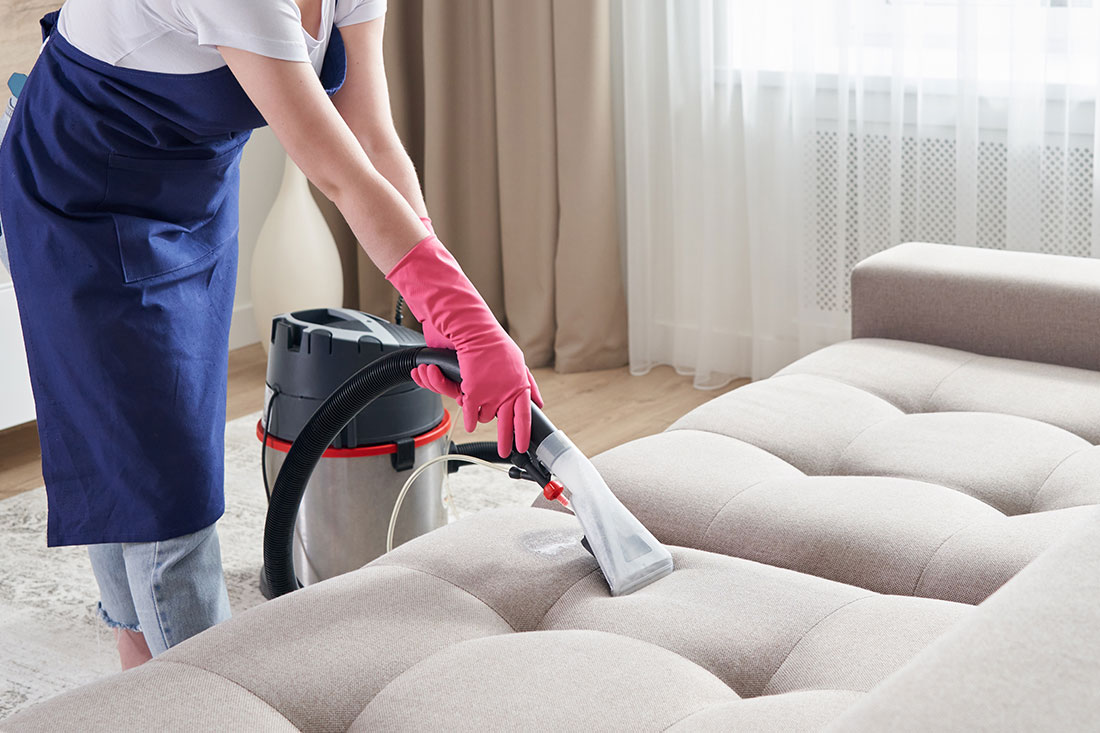
In Sydney, professional couch cleaning generally costs about $100 to $200 for a standard three seater fabric lounge, with most homes landing somewhere between $150 and $350 for a full lounge suite. Leather is usually priced a little higher because it is conditioned rather than extracted, and add-ons like stain protection or pet odour treatment sit on top of that.

That is the number you came for. Now here is what actually moves the price, because “how much is it” and “how much will mine be” are two different questions.

Typical Sydney couch cleaning prices in 2026

  • Single armchair or recliner: around $40 to $80
  • Two seater fabric lounge: around $80 to $150
  • Three seater fabric lounge: around $100 to $200
  • Modular or L shaped lounge: around $180 to $350, priced by the seat
  • Full suite (3 seater plus two chairs): around $200 to $350
  • Dining chairs: around $10 to $20 each when done with other work
  • Leather lounge (clean and condition): around $150 to $400 depending on size and condition

Treat these as market guidance rather than a fixed price list. Every lounge is different, and any cleaner who quotes you sight unseen over the phone without asking a single question is guessing.

What actually changes the price

How it is measured

Most cleaners price by the seat, not by the piece of furniture. A “three seater” with a chaise is really four or five seats worth of fabric. This is the number one reason quotes come back different from what people expect.

The fabric

A standard polyester weave is straightforward. Velvet, linen, chenille, viscose and anything labelled “dry clean only” require a different method, more care and often more time. Viscose in particular is the diva of the upholstery world – it browns and distorts if it gets too wet, so it needs a low moisture approach.

Condition

A lounge that has been cleaned every 18 months is a quick job. A lounge that has never been cleaned in eight years, with a dog that sleeps on it, is not. Heavy soiling, body oil build up on headrests and armrests, and old set-in stains all add labour.

Add-ons

  • Pet urine or odour treatment: commonly $30 to $80 extra, because it needs a proper enzyme treatment, not a deodoriser spray
  • Fabric protection: commonly $60 to $150 for a three seater
  • Stubborn stain treatment: sometimes included, sometimes charged, always ask

Access and minimum call out

Most companies have a minimum job value, so a single armchair on its own often costs the same as a couple of pieces. If you are only cleaning one thing, it is worth adding the dining chairs or a rug to get value out of the visit.

How to compare quotes without getting stung

Cheap upholstery cleaning is where the horror stories come from – over-wet lounges that stay damp for three days, watermarks, shrinkage, and that stale smell that appears a week later. When you are comparing quotes, ask these four questions:

  • Is the quote per seat or per piece? Get it in writing so there is no surprise on the day.
  • What method will you use on my fabric? A good answer mentions checking the manufacturer’s cleaning code and testing a hidden area first. A bad answer is “steam, mate”.
  • Is stain treatment included? Some quotes are cheap because everything is an extra.
  • Are you insured? If someone shrinks your $4,000 lounge, this matters a great deal.

How long does it take, and how long until I can use it?

A three seater takes roughly 45 minutes to an hour and a half depending on condition. Drying is usually two to six hours with airflow, and longer in a closed up room in a Sydney winter. Open a window, put a fan on it, and do not throw the cushions back into place while they are still damp – that is how you get a musty smell.

Is it worth it, or should you just buy a new lounge?

Here is the arithmetic. A decent fabric three seater costs $1,500 to $4,000 to replace. Cleaning it costs a couple of hundred and takes an hour. Unless the frame is broken or the foam has collapsed, cleaning wins comfortably – and a good clean removes the dust mites, skin cells, body oils and pet dander that a vacuum simply cannot reach.

Where replacement genuinely makes sense: the fabric is worn through, the foam is dead, or there is long term untreated pet urine that has soaked into the internal frame and padding. We will tell you honestly if that is what we find.

Frequently asked questions

How often should a couch be professionally cleaned?

Every 12 to 18 months for a typical family lounge. Every 6 to 12 months if you have pets on the furniture or anyone with allergies. Every 2 years is fine for a formal lounge nobody actually sits on.

Can you get pet urine smell out of a couch completely?

Often yes, if it is surface level and treated with a proper enzyme product that breaks down the uric salts rather than masking them. If urine has soaked through the cushion into the internal padding and frame, complete removal becomes much harder and we will tell you that up front rather than take your money and hope.

Do you clean leather lounges?

Yes. Leather is a completely different process – a pH appropriate clean followed by a conditioner to restore moisture and prevent cracking. It should never be steam extracted like fabric.

Will cleaning remove every stain?

No, and be suspicious of anyone who promises otherwise. Most food, drink and general soil comes out well. Dye based stains, bleach damage, ink and sun fading are permanent changes to the fibre itself. We will always tell you what we think will and will not shift before we start.

Do you offer same day couch cleaning in Sydney?

Often yes, subject to availability. Same day bookings are one of the more common calls we get, especially after a spill or before visitors arrive.

Get a real number for your lounge

The fastest way to know what your couch will cost is to tell us what you have – number of seats, fabric type, and whether there are pets involved. Call Adam’s Carpet Cleaning on 1300 309 276 or send us a photo through our online quote form and we will come back with a firm price, not a “from” price. Family owned, over 20 years in Sydney, and rated 4.8 by our customers.

pest control-services-and carpet cleaning

Pest Control and Carpet Cleaning on the Same Day: Why the Order Matters

If you are booking a pest treatment and a carpet clean, do them on the same day – and do the carpet clean first. That order matters more than most people realise, and getting it wrong is the single most common reason a flea treatment “does not work”.

We run both services at Adam’s, which means we see the same mistake constantly: someone has a pest company spray on Monday, then books a carpet cleaner for Thursday, and the steam clean lifts half the treatment straight back out of the carpet. Two invoices, half a result.

Why the order is carpet first, pest second

Think about what each service is physically doing to the same square metre of floor.

  • A steam clean injects hot water into the pile and extracts it, taking soil, hair, flea eggs, larvae and organic debris with it.
  • A pest treatment lays down a residual product that needs to stay in the fibre and on the surfaces to keep working over the following weeks.

If you clean after treating, you are removing the residual. If you treat after cleaning, you are laying product onto a clean, debris-free surface where it can actually do its job – and the vacuuming and extraction have already removed a huge percentage of the eggs and larvae that the spray struggles to reach anyway.

Same day, carpet first, pest second. That is the whole trick.

What we actually find in Sydney carpets

Carpet is a habitat. It holds warmth, moisture, skin cells and pet hair, which is exactly what fleas, carpet beetles, dust mites and cockroach nymphs are looking for. In a typical Sydney home we tend to see:

  • Fleas around the edges of rooms and wherever the dog sleeps – the adults you see are a small fraction of the population, most of it is eggs and larvae down in the pile
  • Carpet beetle larvae under lounges and along skirting boards, quietly eating wool carpet and rugs
  • Dust mites in mattresses, lounges and bedroom carpet, which matter enormously if anyone in the house has asthma or eczema
  • Cockroaches in kitchens and behind appliances, using the carpet edge as a highway

Cleaning alone reduces the population dramatically. Treatment alone knocks down adults but leaves the food source and the debris. Together, they are far more effective than either one on its own.

When we recommend doing both together

  • You have just noticed fleas. This is the classic. Clean, treat, then vacuum daily for two weeks to trigger any remaining pupae to hatch into the treated environment.
  • You are moving into a new place. Empty house, no furniture in the way, previous tenant’s pets long gone but their fleas are not. Cheapest and easiest time to do it properly.
  • You are moving out. Many NSW leases with a pet clause require both a professional carpet clean and a flea treatment. Doing them together on the same visit is cheaper than two separate call outs and gives you one clean set of receipts for the agent.
  • Start of summer. Sydney humidity from about November onwards is when everything wakes up. Getting ahead of it beats reacting to it.
  • Someone in the house has allergies. Reducing dust mite load and treating for pests at the same time makes a noticeable difference to how a bedroom feels.

How a combined visit runs

A typical combined job at a three bedroom Sydney house looks like this:

  • Walk through and quote. We look at the carpet condition, check the skirting boards and pet areas, and confirm what is actually needed. No pressure, no scare stories.
  • Thorough vacuum. Boring, but it removes a large share of eggs and larvae before any water goes down.
  • Pre-spray and agitate. Traffic lanes and stains get treated first.
  • Hot water extraction. Deep clean and extract, with strong suction so the carpet is damp, not soaked.
  • Pest treatment. Once carpets are done, our licensed technician applies the treatment to carpets, edges, skirting boards and problem areas.
  • Airflow and instructions. We set up airflow and tell you exactly how long to stay off the area and what to do over the next fortnight.

Most homes are back to normal use the same day. Carpets are typically dry within a few hours with good ventilation.

Is it safe with kids and pets in the house?

This is the question every parent asks, and it is the right question. Our pest technicians are NSW licensed and fully insured, and we use pet safe, low toxicity products as standard. You and your animals stay off the treated areas until everything is dry, and we walk you through the re-entry timing before we start. Fish tanks get covered and pumps switched off – just tell us where they are.

Frequently asked questions

Can one company legally do both carpet cleaning and pest control?

Yes, provided the pest work is carried out by a licensed pest technician. In NSW pest management technicians must hold the appropriate licence. We hold ours and we are fully insured for both services.

How long after a pest treatment can I vacuum?

Usually you can vacuum after a couple of days, and with a flea job we actually want you to. Vacuuming vibration encourages remaining pupae to hatch into a treated environment, which is exactly what you want. Just avoid wet-cleaning the carpet for several weeks.

How long does a flea problem take to clear?

Expect two to four weeks to fully resolve. Seeing a few fleas in week two is normal – those are newly hatched adults meeting the treatment. Seeing them at week four is not, and that is when you call us back.

Do you offer a warranty?

We provide a six month service warranty on general pest treatments. If something is not right, we come back.

Can you do it in one visit and same day?

Usually, yes. Combined same day bookings are one of the main reasons customers come to us rather than juggling two companies and two schedules.

One truck, one visit, one invoice

The reason we offer both is simple: they are the same problem viewed from two angles. Clean fibre and a treated environment is what actually keeps a home comfortable, and doing it in one visit costs less than two separate call outs.

If you are dealing with fleas, moving in or out, or you just want both jobs knocked over in one morning, call Adam’s Carpet Cleaning on 1300 309 276 or book online for a free quote. Family owned, licensed and insured, servicing all of Sydney for over 20 years.

Stain & Odour Treatment

Is Scotchgard Worth It? An Honest Answer After 20 Years of Cleaning Sydney Carpets

Short answer: yes, for most Sydney homes it is worth it – but only if you understand what it actually does. Fabric protection like Scotchgard does not make your carpet stain-proof. What it does is buy you time. It coats each fibre so that a spill sits on top for a few extra minutes instead of soaking straight into the base of the pile. Those few minutes are usually the difference between “wiped it up” and “we need to book a cleaner”.

We have been cleaning carpets and lounges across Sydney for more than 20 years, and this is easily the question we get asked most while packing up the truck. So here is the honest version, including the times we tell people not to bother.

What carpet and fabric protection actually does

Untreated carpet fibre is thirsty. Drop a glass of red wine on it and the liquid wicks down into the pile and into the backing within seconds. Once it reaches the backing, it can wick back up days later – which is why some stains mysteriously “reappear” a week after you thought you had cleaned them.

A protector coats the individual fibres with an invisible barrier that repels water and oil. In practice that means:

  • Spills bead up on the surface instead of sinking in immediately
  • Dry soil and grit sit on top of the fibre, so vacuuming pulls out far more of it
  • Traffic lanes in hallways and around lounges take longer to go grey
  • When we do come to steam clean, more of the soil actually lifts out

What it does not do is make your carpet bulletproof. If you leave a curry spill overnight, you will still have a stain. Protection is a head start, not a force field.

Where it is genuinely worth the money

We recommend it without hesitation in a few situations:

  • Homes with kids under about ten. Juice, Milo, food colouring, felt tip pens – the volume of spills is simply higher.
  • Homes with pets. It will not stop urine damage (nothing does), but it helps enormously with muddy paw prints and general grubbiness.
  • Brand new carpet. Most new carpet comes with some factory treatment, but it wears off through the traffic lanes first. Treating it while it is new is the cheapest carpet insurance you will ever buy.
  • Light coloured carpet and lounges. Beige, cream, oatmeal – you know who you are.
  • Fabric dining chairs. Easily the most abused piece of furniture in an Australian home.

When we tell people to skip it

We would rather lose the add-on than sell you something you do not need. We usually say no when:

  • The carpet is at the end of its life and due for replacement within a year or two
  • It is a low traffic room that barely gets used – a spare bedroom does not need protecting
  • The carpet is heavily soiled and the owner has no intention of maintaining it. Protector on filthy carpet just seals in the problem.
  • You are moving out next month. Spend the money on the bond clean instead.

How long does fabric protection last?

As a rough guide, based on what we see when we go back to the same homes year after year:

  • High traffic areas (hallways, lounge room walkways, stairs): around 6 to 12 months
  • Normal household use: around 12 to 18 months
  • Lightly used rooms and lounges: up to 2 years

Vacuuming does not remove it – foot traffic and abrasion do. That is why the protection wears out in a walking-shaped pattern down your hallway while the corners of the room are still fine. Most people reapply at the same time as their annual steam clean, which is the sensible way to do it because protector should always go onto freshly cleaned, dry-ish fibre.

What does it cost in Sydney?

Professional fabric protection is almost always quoted as an add-on to a clean rather than a standalone job. As a general market guide across Sydney in 2026, expect somewhere in the range of:

  • Carpet: roughly $30 to $60 per average bedroom, or priced per square metre for larger open plan areas
  • Three seater fabric lounge: roughly $60 to $150 depending on fabric and size
  • Dining chairs: often a small per-chair rate when done alongside other work

Prices vary with fabric type, access and how much product the job actually needs, so treat these as ballpark figures and get a quote for your own place. We give free quotes and we do not add surprises on the day.

Is the Bunnings can the same as what a professional uses?

Not quite. The consumer aerosol is genuinely useful for spot treating a dining chair or a small rug, and we have no problem with people using it. The difference is coverage and application. A professional applicator sprays an even, measured amount of a commercial grade solution across the whole surface at the correct dilution, then we groom it into the pile so the fibres are coated all the way around rather than just on top. Doing a full lounge room with cans is expensive, patchy and takes forever.

Frequently asked questions

Is fabric protection safe for kids and pets?

Once it has dried, yes. The products we use are water based and low odour, and we keep people and pets off the treated area until it is dry – usually a couple of hours with good airflow. We use pet safe, low toxicity products as standard because most of our customers have both kids and animals.

Will it change how my carpet looks or feels?

It should not. Applied correctly, there is no visible change and no stiffness. If a carpet feels crunchy afterwards, it has been over-applied or under-groomed.

Can you apply it to wool carpet or a wool rug?

Yes, with the right product. Wool needs a protector formulated for natural fibres and a pH appropriate clean beforehand. We always test a hidden patch first – on wool, silk and viscose that step is not optional.

Do I need to reapply it after every clean?

Yes. Hot water extraction removes soil, and it also removes a good portion of the protector along with it. If you want the protection back, it needs to be reapplied after the clean while the fibres are prepared for it.

Does protection stop pet urine damage?

No. Urine is a chemical problem, not just a moisture problem, and it soaks through to the underlay. If you have had an accident, you need a proper urine treatment, not a protector.

The bottom line

If you have kids, pets, light coloured carpet or brand new flooring, fabric protection is one of the few add-ons in this industry that genuinely pays for itself. If your carpet is on its last legs or the room barely gets walked on, save your money. We will tell you which camp you are in when we quote – no upsell theatre.

Want an honest opinion on your own carpet or lounge? Call Adam’s Carpet Cleaning on 1300 309 276 or request a free quote online. We are family owned, licensed and insured, and we have been looking after Sydney homes for over 20 years – from the Inner West to the Hills District, Sutherland Shire and out west.

Professional carpet steam cleaning service in Werombi, NSW 2570

Why Same-Day Carpet Cleaning Is Useful After Spills or Accidents

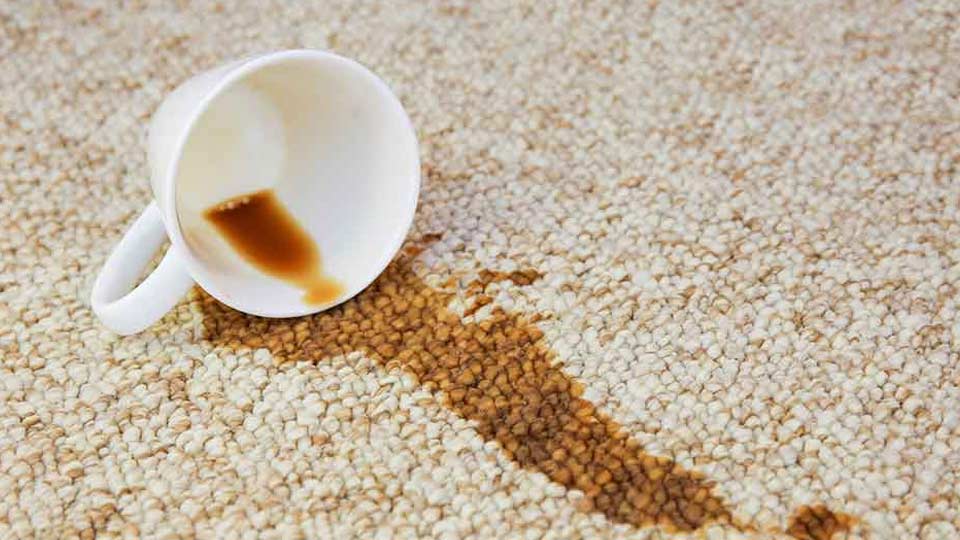
Spills and accidents can happen at any time. Whether it is coffee on the lounge room carpet, wine during a dinner party, muddy footprints after rain, or a pet accident, acting quickly can make a big difference. Same-day carpet cleaning helps prevent stains, odours, and deeper carpet damage before the problem becomes harder to remove.

For Sydney homes and businesses, booking a fast professional clean can save time, stress, and money in the long run.

Stops Stains from Setting In

The longer a spill sits in your carpet, the harder it can be to remove. Liquids can soak deep into carpet fibres and underlay, leaving behind stubborn marks. Same-day carpet cleaning gives you a better chance of removing the stain before it becomes permanent.

Helps Prevent Bad Odours

Accidents involving pets, food, drinks, or moisture can quickly create unpleasant smells. If the spill reaches the underlay, odours may linger even after surface cleaning. Professional carpet cleaning can help remove the source of the smell, not just cover it up.

Reduces the Risk of Bacteria and Germs

Some spills and accidents are more than just cosmetic. Pet urine, food spills, vomit, and other messes can introduce bacteria into your carpet. Same-day cleaning helps restore a cleaner and more hygienic indoor environment.

Protects Your Carpet Fibres

Scrubbing a spill too aggressively can damage carpet fibres or spread the stain further. Professional cleaners use the right equipment and cleaning methods to treat the affected area safely and effectively.

Useful for Homes with Kids and Pets

Families with children or pets know how quickly accidents can happen. Same-day carpet cleaning is especially useful when messes need urgent attention, helping keep your home fresh, safe, and comfortable.

Helpful Before Guests, Inspections, or Events

If a spill happens before guests arrive, a rental inspection, or a special event, same-day carpet cleaning can help restore your carpet quickly. It is a practical option when you need your home or business looking clean at short notice.

What to Do Immediately After a Spill

Before the professionals arrive, a few quick steps can help reduce damage:
  • Blot the spill gently with a clean towel
  • Avoid rubbing, as this can spread the stain
  • Remove any solid debris carefully
  • Use cold water only if it is safe for the carpet type
  • Do not apply harsh chemicals or bleach
  • Book professional carpet cleaning as soon as possible
Fast action can improve the final result and make the cleaning process more effective.

Common Spills That Need Quick Attention

Same-day carpet cleaning is useful for many types of accidents, including:
  • Coffee and tea spills
  • Red wine stains
  • Pet urine or accidents
  • Mud and dirt
  • Food spills
  • Vomit or other biological mess
  • Water leaks or damp carpet
  • Ink, paint, or makeup stains
Some stains can permanently mark carpet fibres if left untreated, so quick cleaning is always the safer choice.

Why DIY Cleaning Is Not Always Enough

Store-bought sprays and home remedies may help with minor surface marks, but they can also push stains deeper into the carpet or leave sticky residue behind. This residue can attract more dirt over time, making the area look dirty again.Professional carpet cleaners use equipment designed to extract dirt, moisture, and cleaning solution from deep within the carpet. This gives a more thorough result than basic spot cleaning.

How Same-Day Cleaning Helps Businesses

Carpet spills in offices, shops, rentals, and commercial spaces can affect how customers and visitors see your business. Same-day carpet cleaning helps keep your premises looking professional and reduces disruption to your day.It is especially helpful for:
  • Office carpet stains
  • Reception areas
  • Rental properties
  • Hospitality spaces
  • Shops and showrooms
  • High-traffic business areas

Keep Your Carpets Fresh with Adam’s Carpet Cleaning

Accidents are stressful, but they do not have to ruin your carpet. With quick action and professional help, many stains and odours can be treated effectively.

For same-day carpet cleaning in Sydney, contact Adam’s Carpet Cleaning .

steam cleaning

Why Sydney Homes Benefit from Professional Steam Carpet Cleaning

Sydney homes deal with a lot of carpet wear, from coastal humidity and everyday dust to pet mess, food spills, and heavy foot traffic. Over time, regular vacuuming can only do so much. That is where professional steam carpet cleaning makes a real difference.

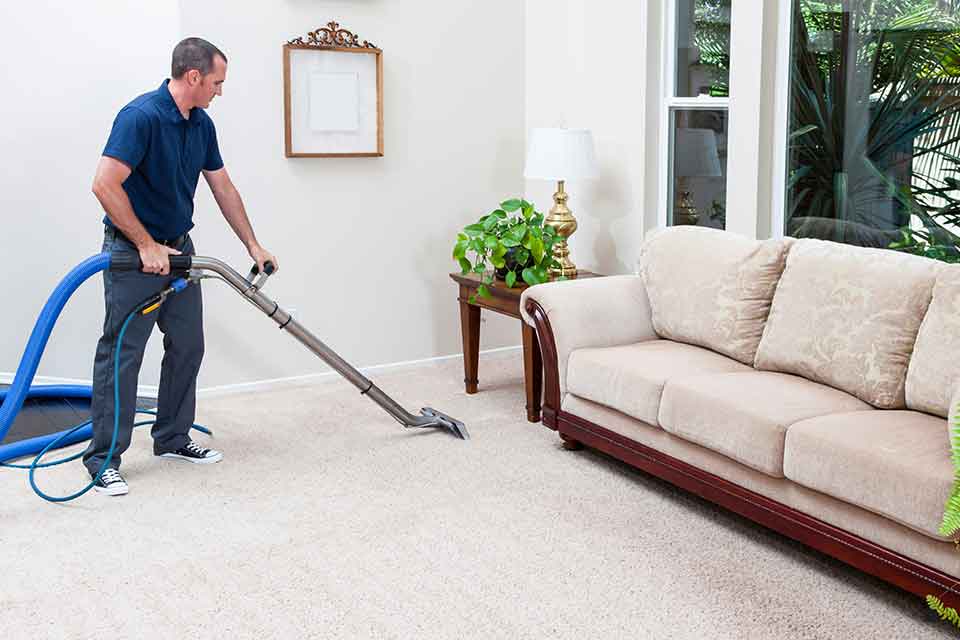
Steam carpet cleaning uses hot water extraction to reach deep into carpet fibres, helping remove trapped dirt, bacteria, allergens, and stubborn stains. For families, pet owners, renters, and busy households, it is one of the most effective ways to refresh carpets and improve the overall cleanliness of your home.

Deep Cleaning Beyond the Surface

Vacuuming removes loose dirt from the top layer of your carpet, but dust, oils, and grime can settle deeper into the fibres. Professional steam carpet cleaning helps lift this hidden dirt, leaving carpets cleaner, fresher, and more hygienic.

Helps Reduce Allergens and Odours

Sydney homes can collect pollen, dust mites, pet dander, and other allergens throughout the year. Steam carpet cleaning can help reduce these irritants, making your indoor environment more comfortable. It is also useful for removing unpleasant carpet odours caused by pets, spills, moisture, or everyday use.

Great for Stain Removal

From coffee and wine spills to muddy footprints, carpet stains can be frustrating. Professional cleaners use the right equipment and cleaning solutions to treat stains safely and effectively, without damaging the carpet fibres.

Extends the Life of Your Carpet

Carpets are an investment, and regular professional cleaning can help protect them. Removing built-up dirt and debris prevents fibre damage and keeps carpets looking better for longer.

Ideal for End of Lease Cleaning

If you are moving out of a rental property, professional steam carpet cleaning is often expected by landlords or property managers. A clean, fresh carpet can help improve your chances of getting your bond back.

Why Choose Adam’s Carpet Cleaning?

Choosing a professional team matters when it comes to protecting your carpets. At Adam’s Carpet Cleaning, we use effective steam carpet cleaning methods designed to remove deep dirt, stains, and odours while helping maintain the quality of your carpet.Whether you need a one-off deep clean, regular carpet maintenance, pet stain treatment, or end of lease carpet cleaning, our team is ready to help.

How Often Should Sydney Homes Book Steam Carpet Cleaning?

Most Sydney homes benefit from professional steam carpet cleaning every 6 to 12 months. However, you may need cleaning more often if you have:
  • Pets inside the home
  • Young children
  • Allergy sufferers
  • High foot traffic areas
  • Recent spills or stains
  • Rental inspection or end of lease requirements
Regular cleaning keeps your carpets looking fresh and helps prevent dirt from becoming deeply embedded in the fibres.

Prepare Your Home Before Carpet Cleaning

To get the best results from your appointment, you can:
  • Remove small items from carpeted areas
  • Vacuum visible loose dirt if possible
  • Point out stains or problem areas
  • Keep pets and children away during cleaning
  • Allow enough drying time after the service
A little preparation helps the cleaning process run smoothly and efficiently.

Book Professional Steam Carpet Cleaning in Sydney

For reliable steam carpet cleaning, visit Adam’s Carpet Cleaning. You can also learn more about the service here: Steam Carpet Cleaning.

Adam’s Carpet Cleaning provides professional carpet cleaning services to help Sydney homes stay fresh, clean, and comfortable.

Professional carpet steam cleaning service in Yagoona, NSW 2199

Professional Rug Cleaning vs DIY: Which Is Better?

Rug cleaning is an essential part of maintaining a clean and healthy home. While many homeowners prefer quick DIY methods for convenience and cost savings, professional rug cleaning offers a deeper, more thorough result. So, which option is actually better—professional rug cleaning or DIY cleaning?

The answer depends on your rug type, level of soiling, and long-term care goals. Let’s break down both approaches to help you decide.


DIY Rug Cleaning: Convenient but Limited

DIY rug cleaning is popular because it is quick, affordable, and easy to do with basic household products.

Advantages of DIY Cleaning

  • Cost-effective and budget-friendly
  • Easy for small spills and light stains
  • Can be done anytime without scheduling
  • Useful for regular surface maintenance

Common DIY Methods

  • Vacuuming to remove dust and debris
  • Mild detergent and water for spot cleaning
  • Baking soda for deodorising
  • Light scrubbing for fresh stains

Limitations of DIY Cleaning

While DIY methods work well for surface cleaning, they have limitations:

  • Cannot remove deep-seated dirt or allergens
  • Risk of over-wetting and damaging rug fibres
  • May cause colour fading if incorrect products are used
  • Ineffective on tough stains like wine, oil, or pet accidents

DIY cleaning is best for regular upkeep, not deep restoration.


Professional Rug Cleaning: Deep and Thorough Results

Professional rug cleaning uses specialised equipment and techniques to clean rugs at a much deeper level than standard home methods.

Advantages of Professional Cleaning

  • Deep extraction of embedded dirt and allergens
  • Safe treatment for delicate and valuable rugs
  • Removes stubborn stains and odours effectively
  • Extends the lifespan of your rug
  • Restores colour, softness, and freshness

What Professionals Do Differently

Professional cleaners typically:

  • Assess rug material and condition
  • Use specialised cleaning solutions based on fibre type
  • Apply controlled deep-cleaning techniques
  • Ensure proper drying to prevent mould or mildew

This level of care is difficult to achieve with DIY methods.


Risks of DIY vs Professional Care

Choosing the wrong cleaning method can lead to long-term damage.

DIY Risks

  • Shrinking or warping from excess moisture
  • Permanent stain setting due to incorrect treatment
  • Fibre damage from harsh scrubbing
  • Mould growth if not dried properly

Professional Benefits

  • Reduced risk of damage
  • Tailored cleaning for each rug type
  • Safe handling of antique or expensive rugs
  • More consistent and long-lasting results

Which One Should You Choose?

Both DIY and professional cleaning have their place. The best approach is often a combination of both:

  • DIY cleaning: Best for weekly maintenance and minor spills
  • Professional cleaning: Best for deep cleaning every 6–12 months

If your rug is expensive, delicate, or heavily soiled, professional cleaning is always the safer option.


Final Verdict

DIY rug cleaning is useful for everyday care, but it has its limits. For deep cleaning, stain removal, and long-term rug protection, professional rug cleaning is the clear winner.

A balanced routine—regular DIY maintenance supported by periodic professional cleaning—ensures your rugs stay fresh, clean, and long-lasting.

For expert care and reliable results, professional services like Adam’s Carpet Cleaning provide the deep clean your rugs truly need.

rug-cleaning

Rug Cleaning Essentials Every Homeowner Should Know

Keeping your rugs clean is one of the simplest ways to maintain a fresh, healthy, and welcoming home. Rugs often trap dust, dirt, allergens, and spills that build up over time, which can affect both their appearance and indoor air quality. Understanding the essentials of rug cleaning helps you protect your investment and extend the life of your rugs.

Here, we’ll cover the key rug cleaning essentials every homeowner should know to keep their floors looking their best.


1. Regular Vacuuming Is the First Step

Vacuuming is the most important part of rug maintenance. Dirt and dust settle deep into rug fibres and can cause long-term damage if not removed regularly.

  • Vacuum at least once or twice a week
  • Use a suction-only setting for delicate rugs
  • Clean both sides of the rug when possible
  • Avoid harsh beater bars on wool or handmade rugs

Regular vacuuming prevents dirt from becoming embedded and helps maintain the rug’s softness and colour.


2. Act Quickly on Spills and Stains

One of the golden rules of rug care is to treat spills immediately. The longer a stain sits, the harder it becomes to remove.

  • Blot spills with a clean, dry cloth
  • Avoid rubbing, as it pushes stains deeper into fibres
  • Use mild soap and water for spot cleaning
  • Test any cleaning solution on a hidden area first

Quick action can often prevent permanent staining.


3. Know Your Rug Material

Different rug materials require different cleaning methods. Using the wrong technique can damage fibres or cause discolouration.

  • Wool rugs: Need gentle cleaning and minimal moisture
  • Synthetic rugs: Easier to clean and more stain-resistant
  • Jute or natural fibres: Require very low moisture and careful handling
  • Handmade rugs: Often need professional cleaning

Always check care instructions before using any cleaning products.


4. Deep Cleaning Is Essential

Even with regular vacuuming, rugs need occasional deep cleaning to remove embedded dirt and allergens.

  • Deep clean every 6–12 months
  • More frequently in homes with pets or high foot traffic
  • Use appropriate rug shampoos or steam cleaning methods
  • Allow rugs to dry completely before reuse

Deep cleaning restores freshness and extends the life of your rug.


5. Proper Drying Prevents Damage

Moisture left in a rug can lead to mould, mildew, and unpleasant odours. Drying is just as important as cleaning.

  • Dry rugs in a well-ventilated area
  • Avoid direct sunlight for long periods
  • Elevate rugs to improve airflow
  • Ensure both sides are completely dry

Never place a rug back on the floor while it is still damp.


6. Use Rug Pads for Protection

Rug pads are often overlooked but play a major role in rug maintenance.

  • Prevent slipping and movement
  • Reduce wear and tear from floor friction
  • Improve comfort underfoot
  • Help reduce dirt buildup underneath

A rug pad helps extend the lifespan of your rug significantly.


7. When to Call Professional Rug Cleaners

Some rugs require expert care, especially when dealing with tough stains or delicate materials.

  • Persistent stains or odours
  • Antique or high-value rugs
  • Water damage or heavy soiling
  • Delicate natural fibre rugs

Professional cleaning ensures your rug is treated safely and effectively.


Final Thoughts

Rug cleaning doesn’t have to be complicated. With regular care, quick stain response, and the right cleaning methods, you can keep your rugs looking fresh and beautiful for years. Remember, prevention and consistency are the true essentials of rug maintenance.

For deep or specialist cleaning, trust experienced professionals like Adam’s Carpet Cleaning to restore your rugs to their best condition.