Eco-Friendly Carpet Cleaning: What to Ask (Updated Nov 2026)
Ask about named products, dilution, fibre suitability and residue removal. Avoid broad safety promises and homemade mixtures that have not been checked for your carpet.
Updated November 2026. If you want an eco-friendly carpet clean, ask what the cleaner means by that description. The product, dilution, cleaning method and waste handling are more useful details than a green label on its own.
Start with questions about the products
Ask for the name of the product being proposed and whether it suits your carpet. A cleaner should be able to explain why it is needed, how it is used and what precautions apply. If a particular certification or environmental claim matters to you, ask for the supporting information.
Terms such as “natural”, “biodegradable” and “non-toxic” are not interchangeable. A product still needs to be used as directed. No cleaner should promise that every person or pet will react the same way to every treatment.
Tell the cleaner about your household
Mention fragrance preferences, known sensitivities and any concerns about children or pets before the appointment. Ask whether an alternative product is suitable and when the room can be used again. This makes the discussion specific to your home rather than relying on a broad “safe for everyone” statement.
Keep product information if you need to check it with someone else. An ingredient list or safety data sheet is more helpful than a marketing phrase when you need to understand a particular formulation.
Use only what the job needs
A careful inspection helps distinguish general soil from a stain that needs separate treatment. Correct dilution and targeted application avoid unnecessary product use. Thorough dry vacuuming before wet cleaning also removes loose grit without adding moisture.
The cleaner should manage water use while still achieving the required rinse and recovery. Using less water is not a useful goal if it leaves soil or detergent behind. Ask how residue is removed and what drying conditions the carpet needs.
Be cautious with homemade mixtures
Kitchen ingredients are not automatically suitable for carpet. Powders can be difficult to remove, and a strong homemade mixture may affect the colour or leave a sticky patch. Do not mix cleaning products or assume a recipe is suitable because it uses familiar ingredients.
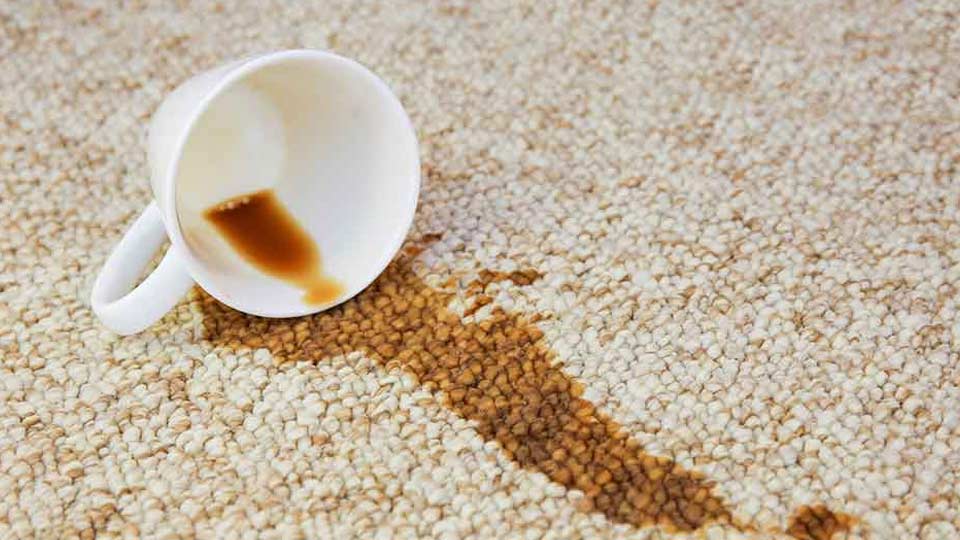
For a fresh spill, blot with a clean white cloth and follow the carpet manufacturer’s instructions. Test any permitted spot cleaner in a hidden place first. If you are uncertain, stop and ask before treating a larger area.
Make everyday care part of the plan
- Keep entrance mats clean to catch tracked-in soil.
- Vacuum busy areas regularly with equipment suited to the carpet.
- Deal with spills promptly instead of covering odours with fragrance.
- Keep a record of cleaning and products used.
- Follow drying instructions before putting furniture back.
For more on our approach, see eco-friendly carpet cleaning. When arranging professional carpet cleaning, explain what matters to your household and ask for a clear account of the products and process. That gives you something concrete to compare.