Upholstery Cleaning: How It’s Done
Professional upholstery cleaning follows staged inspection, dry soil removal, pre-treatment, extraction and controlled drying.
- Fibre testing determines whether water, solvent or low-moisture methods are safe.
- Vacuuming and targeted chemistry loosen grit, body oils and stains before extraction.
- Drying control prevents rings, shrinkage and mustiness; routine vacuuming and prompt blotting support the result.
A lounge suite gets more use than almost anything else in the house, and it is usually the last thing anyone thinks to clean. Most Sydney households should have upholstery professionally cleaned every 12 to 18 months – sooner if there are pets, small children or a smoker in the house.
People often ask what we actually do, and whether it’s different from what they could manage themselves. It is. Here is the whole process, stage by stage.
Stage 1: Inspection and Fibre Testing
Nothing gets wet until we know what the fabric is. This is the step that separates a professional job from a ruined lounge.
We identify the fibre – cotton, linen, wool, polyester, viscose, microfibre or a blend – and check the manufacturer’s cleaning code if there is a tag. Viscose and some linens will water-mark permanently if they’re cleaned wet, so those go down a dry-solvent path instead. We then test the cleaning solution on a hidden section, usually under a cushion or behind a skirt, and watch for colour movement.
We also point out anything we don’t think will come out, and anything already damaged – sun fade, pilling, split seams – before we start rather than after. You get the price at this point too, so there are no surprises at the end.
Stage 2: Dry Soil Removal
Roughly three-quarters of what’s in a lounge is dry: skin cells, hair, crumbs, dust and grit that has worked down into the seams and under the cushions. If you introduce water before removing that, you turn dry soil into mud and push it deeper into the padding.
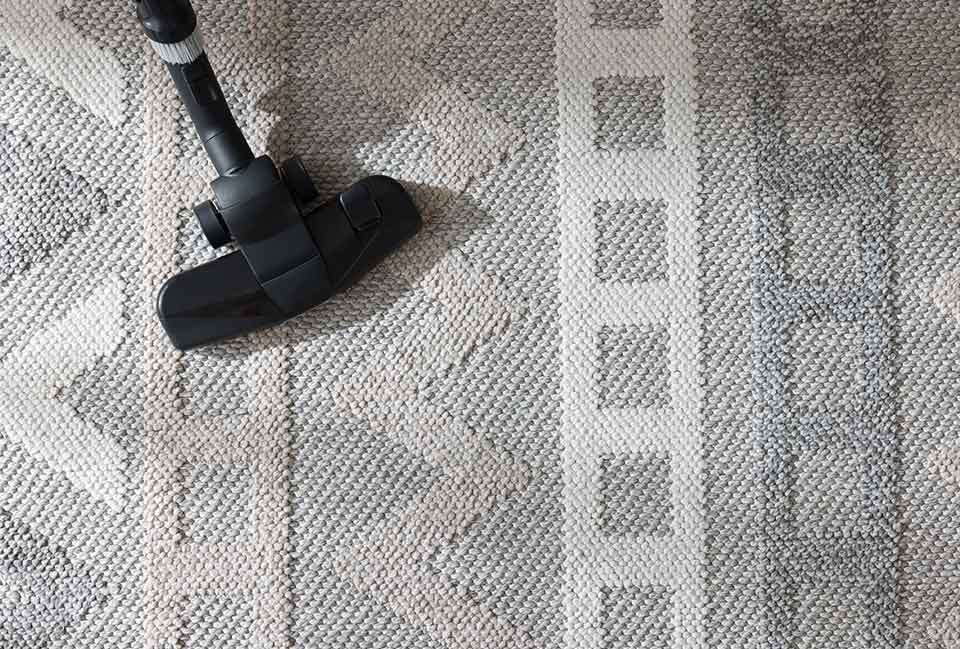
So we vacuum thoroughly first, with crevice tools through every seam, around the frame and into the base. On lounges that haven’t been done in years this stage alone takes a while, and it makes a visible difference before anything else happens.
Stage 3: Pre-Treatment
Next we apply a pre-spray suited to the fabric and the type of soil. Body oil on the headrest and armrests is the most common problem – it’s greasy, it holds dust, and it’s what makes light-coloured lounges go grey exactly where people sit.
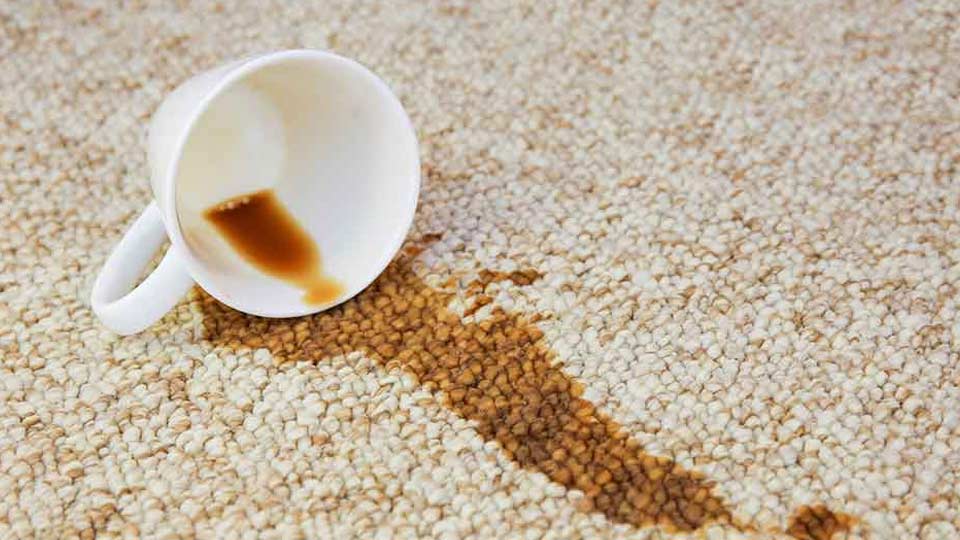
The solution needs dwell time to break the bond between the soil and the fibre. We work it in gently with a soft brush or a horsehair tool, then leave it to do its job. Individual spots and stains get treated separately, matched to what caused them, because a protein stain like milk and a tannin stain like tea need completely different chemistry.
Stage 4: Extraction
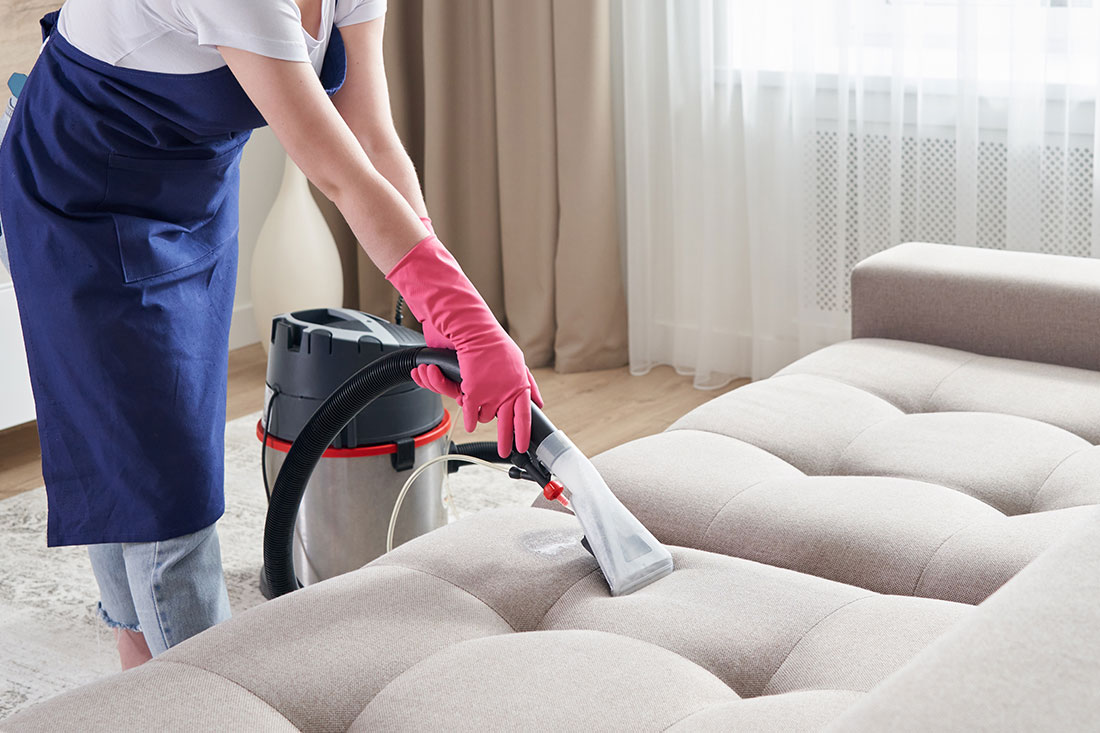
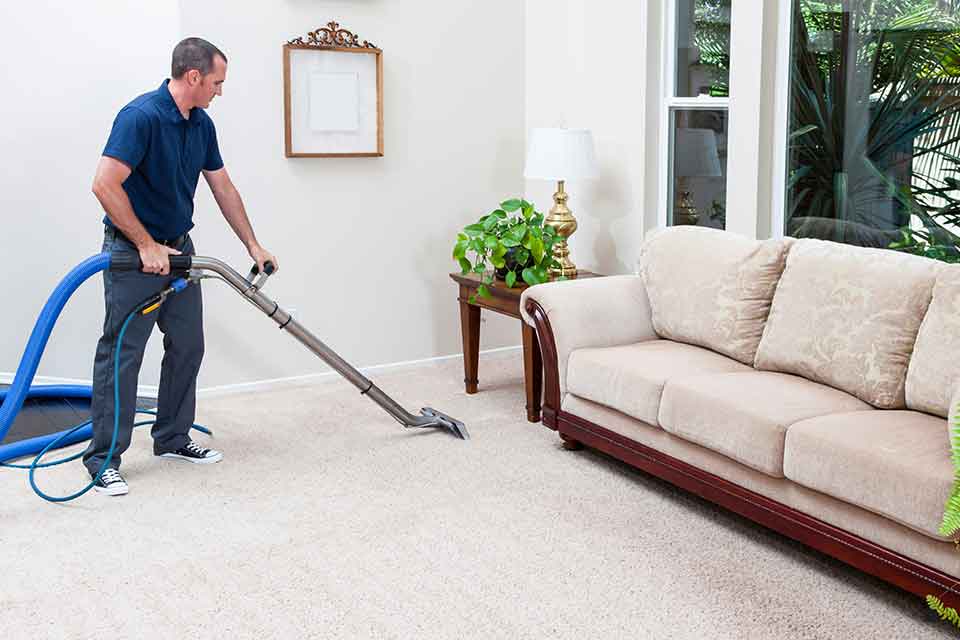
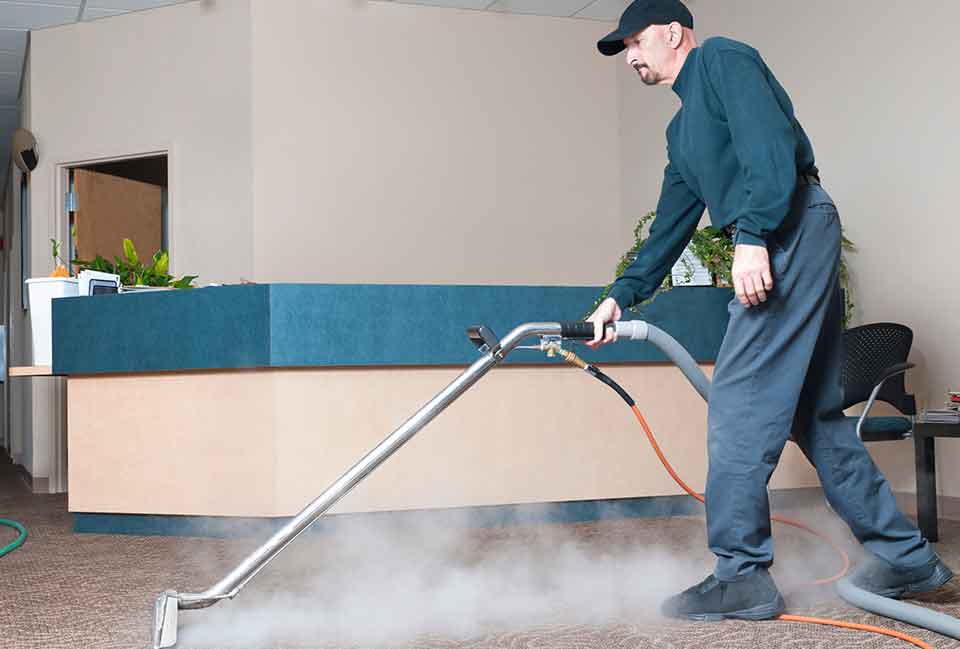
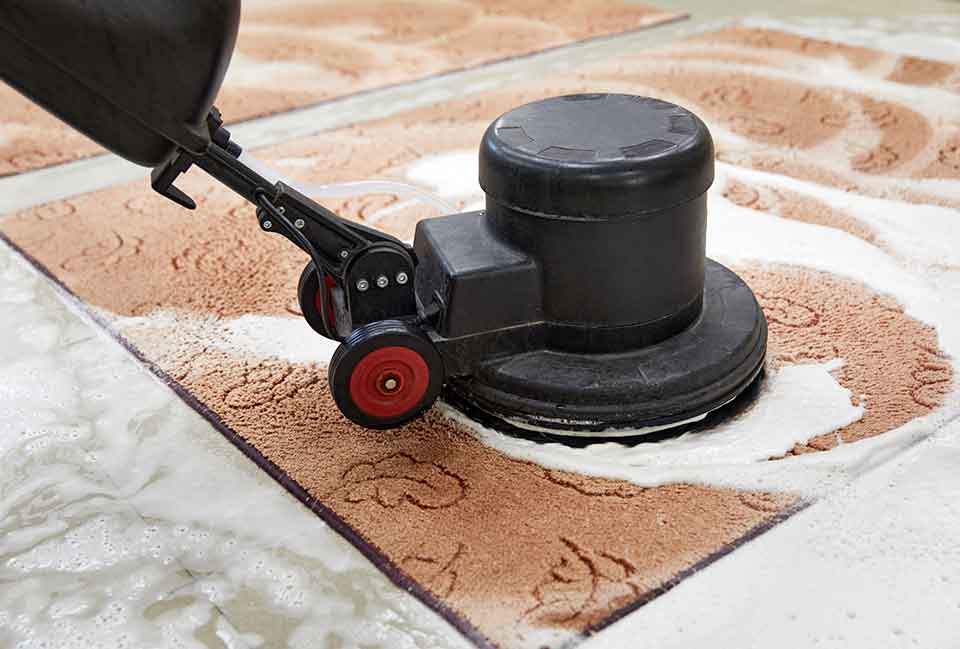
This is the cleaning proper. For most fabrics we use hot water extraction with a low-moisture upholstery tool, which sprays a fine mist and immediately vacuums it back out under strong suction.
The control here is everything. You want enough moisture to flush the soil out of the fibre, and not one drop more – because water that reaches the foam underneath will take days to dry, and that’s how you get a musty smell and, in bad cases, mould in the cushion. Delicate fabrics get a dry or very-low-moisture method instead.
Once we’ve been over it, we check the result in good light and re-treat any spot that hasn’t lifted.
Stage 5: Rinse, Groom and Dry
Cleaning solution left in the fabric attracts dirt, so the lounge gets a pH-balanced rinse to neutralise any residue. This is the step budget operators skip, and it’s why a cheaply cleaned lounge often looks dirtier three months later than it did before.
We then groom the pile so the fabric dries evenly and doesn’t dry in the direction we cleaned it, and set up air movers to speed the drying. Most lounges are dry enough to sit on in two to four hours, depending on the fabric and the weather.
If you want it, a fabric protector goes on last. It coats each fibre so spills bead on the surface for a few moments instead of soaking straight in.
Leather Is a Different Job Entirely
None of the above applies to a leather lounge. Leather is a skin, and it needs cleaning and then feeding, not extraction. We handle that as a separate service – see leather lounge cleaning and conditioning for what’s involved.
What You Can Do Between Cleans
- Vacuum the lounge whenever you vacuum the floor. It takes two minutes and removes the grit that wears the fabric.
- Blot spills, never rub. Rubbing spreads the spill and damages the surface of the fibre.
- Rotate and flip the cushions so wear spreads evenly.
- Keep it out of direct afternoon sun if you can. Sydney sun fades upholstery faster than most people expect.
- Be careful with supermarket spot cleaners on light fabric. Many leave a sticky residue that becomes a permanent dark patch.
Book a Clean
Adam’s Carpet Cleaning is family-run and has been since 2004, with over 25 years of experience and IICRC-certified technicians working right across Sydney. We clean lounges, dining chairs, bed heads, ottomans and office seating, and we can do the carpet and the mattresses in the same visit.
Rates start from $40–$60 per hour. Same-day and emergency bookings are available when something has just gone wrong.
Call 1300 309 276, get a free quote or book online. See the full furniture and upholstery cleaning service, our rug cleaning page, or read the holiday deep cleaning guide if you’re getting the house ready for visitors. Common questions are answered in our FAQ.