Author: hello@krishnaale.au

Is It Cheaper to Clean Your Own Carpet

Is It Cheaper to Clean Your Own Carpet?

Carpets add warmth and comfort to a home, but they also require regular maintenance to stay fresh and hygienic. One common question homeowners ask is: Is it cheaper to clean your own carpet, or should you hire a professional? While DIY carpet cleaning may seem like a cost-effective solution, there are several factors to consider before making a decision. Here, we’ll break down the costs, benefits, and drawbacks of DIY vs. professional carpet cleaning.

DIY Carpet Cleaning: The Costs and Considerations

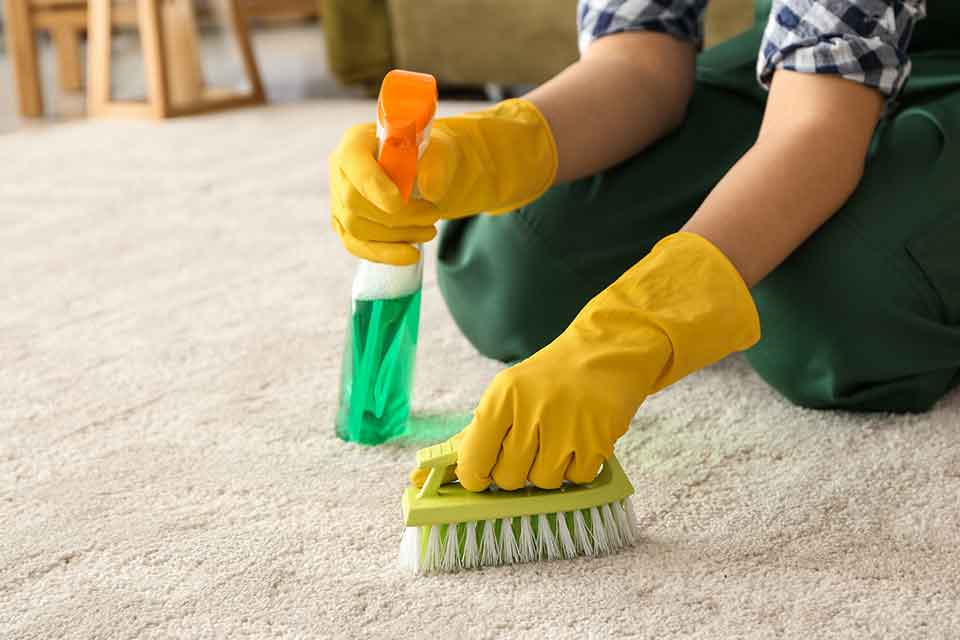
Many people assume that cleaning their own carpets is the cheapest option, but the reality can be more complex. Here are some expenses to factor in:

1. Equipment Rental or Purchase

  • A basic carpet cleaner rental costs between $30 to $60 per day.
  • Purchasing a home carpet cleaner can range from $100 to $500, depending on the quality.

2. Cleaning Solutions and Detergents

  • Carpet shampoos, stain removers, and deodorizers can cost between $10 to $50 per bottle.
  • Some carpets require specialised products for deep cleaning, increasing costs.

3. Time and Effort

  • DIY carpet cleaning can take several hours, including preparation, actual cleaning, and drying time.
  • Inefficient cleaning methods may leave residue, requiring re-cleaning sooner than expected.

4. Risk of Damage

  • Using too much water or detergent can lead to mold, mildew, or carpet shrinkage.
  • Improper cleaning may void your carpet’s warranty.

Professional Carpet Cleaning: Is It Worth the Cost?

Hiring a professional carpet cleaning service may seem more expensive upfront, but it offers several advantages:

1. Cost Breakdown

  • Professional carpet cleaning services generally cost between $100 to $300, depending on the carpet size and condition.
  • Some companies offer discounts for regular maintenance or bundled services.

2. Advanced Equipment and Expertise

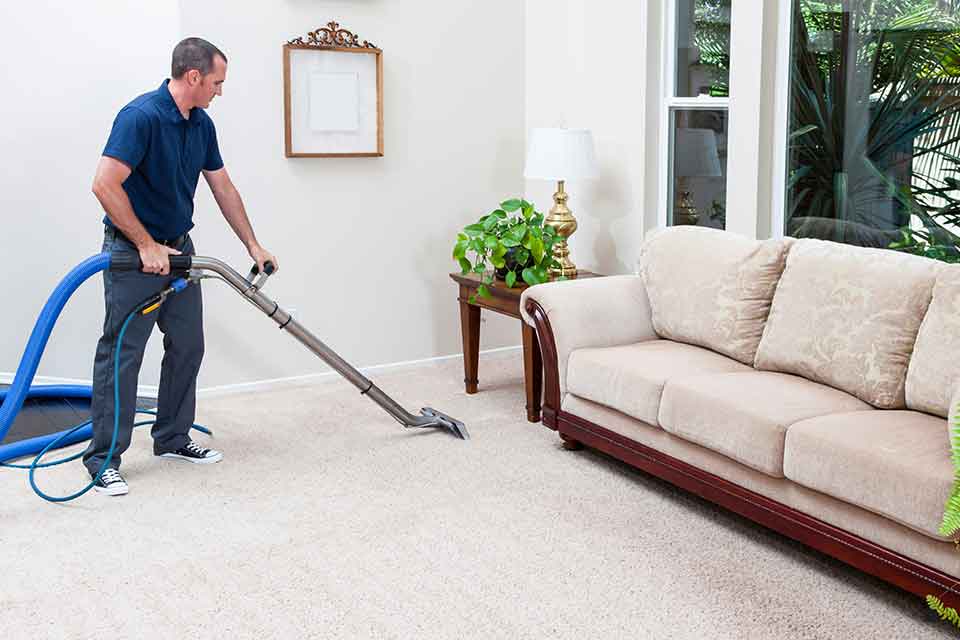
  • Professionals use high-powered steam cleaners and industrial-grade solutions that remove deep-seated dirt and bacteria.
  • They know the best methods for different carpet types, ensuring longevity and protection.

3. Time Efficiency

  • Professional cleaners can complete the job in a fraction of the time it takes to do it yourself.
  • Faster drying times reduce the risk of mold growth and unpleasant odors.

4. Better Results

  • DIY machines often lack the power to extract all dirt and water, leaving residues behind.
  • Professionals can remove tough stains, allergens, and bacteria more effectively.

Which Option is Cheaper in the Long Run?

While DIY carpet cleaning may seem like a cost-saving solution, it can become more expensive in the long run due to:
  • Frequent re-cleaning because of insufficient dirt removal.
  • Potential damage leading to premature carpet replacement.
  • Additional costs for stain removal products and maintenance.
On the other hand, professional cleaning ensures deep cleaning, longer-lasting carpets, and fewer re-cleaning needs. If you have high-traffic areas, pets, or allergies, hiring a professional can be the more cost-effective option over time.

Final Verdict: DIY vs. Professional Carpet Cleaning

  • For occasional spot cleaning, DIY can be a budget-friendly choice.
  • For deep cleaning, stain removal, and carpet longevity, professional cleaning is often the better investment.
  • If you’re looking to save time and ensure high-quality results, hiring a professional is worth the cost.
At Adam’s Carpet Cleaning, we offer affordable and high-quality carpet cleaning services tailored to your needs. Contact us today for a free quote and experience the difference professional cleaning can make!

Need Expert Carpet Cleaning? Get in Touch!

Choose Adam’s Carpet Cleaning for reliable, cost-effective, and professional carpet cleaning services in your area!
Professional carpet steam cleaning service in Werombi, NSW 2570

How Much Does Carpet Cleaning Cost?

Carpet cleaning is essential for maintaining a clean and healthy home environment. Professional carpet cleaning can make a significant difference, whether you are dealing with stubborn stains, pet odors, or general wear and tear. But how much does carpet cleaning cost? Here, are the factors that affect pricing and what you can expect when hiring professionals.

Factors Affecting Carpet Cleaning Costs

  1. Size of the Area: The cost largely depends on the size of the carpeted area. Most companies charge per square meter, ranging from $25 to $50 per room.
  2. Type of Cleaning Method:
    • Steam Cleaning (Hot Water Extraction): A deep cleaning method that can cost between $30 to $60 per room.
    • Dry Cleaning: Suitable for delicate carpets, costing around $25 to $50 per room.
    • Shampooing: Effective for heavily soiled carpets, priced at approximately $30 to $70 per room.
  3. Condition of the Carpet: Stubborn stains, pet hair, and high foot traffic areas may require extra effort, increasing the cost.
  4. Location: Prices can vary based on your geographical location and the demand for services in your area.

Average Carpet Cleaning Costs in Australia

  • Small apartment: $80 to $120
  • Medium-sized home: $150 to $300
  • Large home: $300 to $600

Tips for Reducing Costs

  • Regular Maintenance: Vacuuming and spot-cleaning can prevent deep stains and reduce the need for frequent professional cleaning.
  • Bundle Services: Some companies offer discounts when you combine carpet cleaning with upholstery or rug cleaning.
  • Seasonal Promotions: Look out for special deals during off-peak seasons.

Why Choose Adam’s Carpet Cleaning?

At Adam’s Carpet Cleaning, we offer competitive pricing and top-notch service to ensure your carpets are spotless and fresh. Our experienced team uses eco-friendly products and advanced equipment to deliver outstanding results. We pride ourselves on customer satisfaction and strive to exceed your expectations with every job. Our technicians are fully trained and insured, giving you peace of mind that your carpets are in safe hands. Plus, we offer flexible scheduling to fit your busy lifestyle.

Get a Free Quote Today!

Contact us today for a personalised quote and experience the difference of professional carpet cleaning.
Professional carpet steam cleaning service in Wattle Grove, NSW 2173

The Hidden Dangers Lurking in Your Dirty Carpet

Your carpet might look clean, but beneath the surface, it could be harboring hidden dangers that impact your health and indoor air quality. Over time, carpets collect dust, allergens, bacteria, and even toxic particles that can pose serious risks. Here’s what you need to know about the hidden dangers lurking in your dirty carpet and why regular cleaning is essential.

1. Allergens and Dust Mites

Carpets trap dust, pollen, pet dander, and other allergens, creating a breeding ground for dust mites. These microscopic pests can trigger allergies, asthma, and other respiratory issues. Regular vacuuming and deep cleaning can help reduce their presence.

2. Bacteria and Germs

Your carpet can contain harmful bacteria, including E. coli and Staphylococcus, which are introduced through shoes, spills, and pet accidents. If left uncleaned, these bacteria can multiply, increasing the risk of infections and illnesses.

3. Mold and Mildew Growth

Moisture from spills, high humidity, or inadequate drying after cleaning can lead to mold and mildew growth in carpets. This can result in musty odors, structural damage, and severe health problems, especially for individuals with allergies or weakened immune systems.

4. Toxins from Household Chemicals

Carpets can absorb and retain harmful chemicals from household cleaners, pesticides, and pollutants. Over time, these toxins can be released back into the air, affecting indoor air quality and putting your family’s health at risk.

5. Pest Infestations

Dirty carpets can attract pests such as fleas, carpet beetles, and even bed bugs. These pests can spread throughout your home, causing discomfort and damage to furniture and fabrics.

6. Bad Odors and Air Quality Issues

Trapped dirt, pet dander, and spills contribute to persistent odors that affect your home’s freshness. Dirty carpets also release volatile organic compounds (VOCs), which can lower air quality and cause headaches, dizziness, and respiratory problems.

How to Keep Your Carpet Clean and Safe

To protect your home from these hidden dangers, follow these essential carpet cleaning tips:
  • Vacuum Regularly – Use a high-efficiency vacuum cleaner to remove dust and debris.
  • Deep Clean Every 6-12 Months – Professional steam cleaning removes deep-seated dirt, allergens, and bacteria.
  • Address Spills Immediately – Blot spills to prevent stains and mold growth.
  • Use Eco-Friendly Cleaning Products – Avoid toxic chemicals that can linger in carpets.
  • Hire Professional Carpet Cleaners – Experts use advanced techniques to eliminate hidden contaminants.

Protect Your Home with Expert Carpet Cleaning

Don’t let hidden dangers compromise your home’s safety. At Adam’s Carpet Cleaning, we offer thorough and professional cleaning services to keep your carpets fresh, hygienic, and free from harmful contaminants.
Carpet Cleaning Mistakes

10 Carpet Cleaning Mistakes You Must Avoid

Carpet cleaning is essential for maintaining a clean and healthy home, but many people unknowingly make mistakes that can damage their carpets or leave them looking worse than before. To help you keep your carpets in top condition, here are 10 common carpet cleaning mistakes you must avoid.

1. Scrubbing Stains Instead of Blotting

One of the biggest mistakes people make is scrubbing stains aggressively. Scrubbing pushes the stain deeper into the fibers and can damage the carpet. Instead, always blot stains gently with a clean cloth or paper towel to absorb the spill without spreading it further.

2. Using Too Much Water or Cleaning Solution

Over-wetting your carpet can lead to mold growth and unpleasant odors. Using excessive amounts of cleaning solution can also leave behind a sticky residue that attracts dirt. Always use a moderate amount of water and cleaner, and ensure the carpet dries properly.

3. Not Vacuuming Before Cleaning

Many homeowners skip vacuuming before deep cleaning, but this is a critical step. Vacuuming removes surface dirt, dust, and pet hair, allowing the cleaning process to be more effective. Without it, dirt may turn into muddy stains.

4. Using the Wrong Cleaning Products

Not all carpets are the same, and using the wrong cleaning product can cause discoloration, damage, or residue buildup. Always check the manufacturer’s recommendations and test any new cleaner on a small, hidden area first.

5. Not Rinsing Out Cleaning Residue

Failing to rinse out carpet cleaning solution properly can leave behind a sticky residue that attracts more dirt. This results in carpets getting dirty again faster. Ensure you rinse thoroughly or use professional-grade equipment to remove all detergent.

6. Skipping Regular Deep Cleaning

Vacuuming alone is not enough to keep carpets in top shape. Many people neglect deep cleaning, leading to built-up grime, allergens, and bacteria. Schedule a professional carpet cleaning service at least once or twice a year for a thorough clean.

7. Using Cheap or Ineffective Carpet Deodorisers

Powder-based carpet deodorisers can temporarily mask odors but may leave a residue that clogs carpet fibres. Instead of using cheap deodorisers, opt for professional-grade carpet deodorisers or deep cleaning to eliminate odors at their source.

8. Not Addressing Spills Immediately

Delaying action on spills allows them to set in and become harder to remove. Whether it’s wine, coffee, or pet accidents, always clean spills immediately to prevent permanent staining.

9. Ignoring Professional Carpet Cleaning

While DIY cleaning can help, professional carpet cleaning provides deeper cleaning, removes tough stains, and extends the life of your carpet. Don’t wait until your carpets look dirty—schedule professional cleaning regularly.

10. Not Allowing Carpets to Dry Properly

Walking on damp carpets or placing furniture back too soon can lead to mildew growth and carpet damage. Ensure your carpet is completely dry before use by increasing ventilation, using fans, or opting for quick-dry carpet cleaning methods.

Keep Your Carpets in Perfect Condition

By avoiding these common carpet cleaning mistakes, you can maintain the beauty and longevity of your carpets. For professional and hassle-free carpet cleaning, trust Adam’s Carpet Cleaning to get the job done right.
End of Lease Carpet Cleaning

End of Lease Carpet Cleaning: What You Need to Know

When your lease comes to an end, one of the biggest tasks on your checklist is ensuring your rental property is in pristine condition. Among the key cleaning requirements, carpet cleaning plays a crucial role in securing your bond refund. Here’s everything you need to know about end of lease carpet cleaning and why hiring professionals is the best choice.

Why Is End of Lease Carpet Cleaning Important?

Most rental agreements include a clause stating that tenants must return the property in a clean and well-maintained condition. Since carpets accumulate dust, stains, and allergens over time, landlords or property managers often require a professional carpet cleaning service to ensure the carpets are spotless before handing back the keys. Failure to do so may result in deductions from your bond deposit.

Do You Need Professional Carpet Cleaning?

While DIY carpet cleaning is an option, it may not meet the high standards set by landlords and property managers. Here’s why hiring a professional carpet cleaner is the best solution:
  • Meets Real Estate Standards – Professionals use industry-approved methods to ensure carpets look fresh and stain-free.
  • Saves Time & Effort – Moving out is stressful enough. Letting experts handle the carpets saves you valuable time.
  • Advanced Cleaning Equipment – Professionals use high-quality steam cleaning or hot water extraction methods that remove deep-seated dirt and bacteria.
  • Ensures Bond Refund – Properly cleaned carpets reduce the chances of disputes with landlords over cleanliness.

What Does End of Lease Carpet Cleaning Include?

At Adam’s Carpet Cleaning, we provide a comprehensive end of lease carpet cleaning service, which includes:
  • Pre-Inspection – Assessing carpet condition and identifying stains.
  • Pre-Treatment – Applying eco-friendly cleaning solutions to loosen dirt.
  • Deep Steam Cleaning – Hot water extraction to remove dirt, allergens, and stubborn stains.
  • Deodorising & Sanitising – Ensuring carpets smell fresh and hygienic.
  • Quick Drying – Using advanced drying techniques to speed up the process.

How Much Does End of Lease Carpet Cleaning Cost?

The cost of professional carpet cleaning depends on factors such as:
  • The size of the property
  • The number of carpeted rooms
  • The level of dirt and staining
At Adam’s Carpet Cleaning, we offer affordable and competitive pricing, ensuring you get top-quality service without breaking the bank.

Tips to Ensure a Smooth End of Lease Carpet Cleaning Process

  1. Book Early – Avoid last-minute stress by scheduling your cleaning in advance.
  2. Vacuum Before Cleaning – Removing loose dirt helps achieve better results.
  3. Point Out Stains – Inform cleaners about any tough stains so they can use specialised treatments.
  4. Check Your Lease Agreement – Confirm if professional cleaning is mandatory.

Book Your End of Lease Carpet Cleaning Today!

If you’re moving out and need reliable end of lease carpet cleaning in Sydney, Adam’s Carpet Cleaning is here to help. Our experienced team ensures your carpets meet rental standards, giving you peace of mind and helping you secure your bond refund.
Professional carpet steam cleaning service in Wedderburn, NSW 2560

What Do Pest Control Professionals Actually Do?

Most people ring a pest controller when they have already seen something they did not want to see – a cockroach in the kitchen at night, ants marching along the bench, or droppings in the pantry. What happens after that call is less obvious. Here is what the job actually involves in a Sydney home, in the order it happens.

1. The inspection comes first

Nothing is sprayed until the property has been looked at properly. A technician walks the inside and the outside, and what they are reading is the building as much as the pest. Where is moisture sitting? Are garden beds pushed hard against the brickwork? Is there a gap under the laundry door, a torn subfloor vent, mulch banked up against the weep holes? Sydney housing gives a lot of clues – a 1950s brick home with a timber subfloor has different weak points to a slab-on-ground project home or a third-floor unit.

The technician also works out which pest it is and how far it has gone. German cockroaches in a kitchen are a different job to the big Australian cockroaches that wander in from the garden after rain, and they need different treatment.

2. A plan that suits the property

Once the inspection is done, the treatment is built around four things: which pest, how established it is, the size and construction of the property, and who lives there. A house with a baby crawling on the floor and a cat asleep on the lounge does not get the same approach as an empty rental between tenants. Commercial kitchens have their own rules again.

3. The treatment itself

A good job usually combines methods rather than relying on one.

  • Targeted sprays applied to skirtings, cracks, subfloor, weep holes and eaves – the paths pests travel, not the middle of the room.
  • Gel baits and stations for cockroaches, ants and rodents. Baits work slowly on purpose. Insects carry it back to the nest, which is what clears a colony rather than the few you can see.
  • Dusts blown into wall cavities, roof voids and subfloors where a spray cannot reach.
  • Sealing and exclusion – closing the gaps, screening vents, cutting back the plants touching the house. This is the part that stops the problem coming back.

A licensed technician also keeps a record of every product used, the concentration and where it went. That record is a legal requirement in New South Wales, and it is also the document a property manager or a strata committee will ask to see.

4. Advice you should actually be given

The visit should end with a short, plain explanation of what the technician found and what you need to change. Fix the dripping tap under the sink. Move the firewood off the back wall. Take the pet bowl up at night. Trim the branch touching the gutter. None of it is glamorous, and all of it does more for the next twelve months than another litre of spray would.

5. The follow-up

Some treatments need a second visit, particularly a heavy cockroach or flea infestation where eggs hatch after the first application. Fleas are the classic example – the adults die quickly, but pupae in the carpet can sit dormant for weeks and then emerge. If your quote does not mention a follow-up for that kind of job, ask why.

Why fleas end up on the carpet cleaner’s list

This is where our two trades meet. Flea larvae live down in the carpet pile and the underlay, feeding on debris, not on your pet. Vacuuming helps and a treatment kills what is active, but a proper hot water extraction clean physically removes the eggs, larvae and the organic matter they eat. Doing both in the one visit is far more effective than doing either on its own.

It matters most at the end of a tenancy. Nearly every pet-approved lease in Sydney requires a professional flea treatment receipt before the bond is released, and agents want it dated close to the handover. Our end of lease carpet cleaning service runs the carpet clean and the flea treatment on the same visit and issues one dated receipt for both.

What to ask before you book

  • Is the technician licensed in New South Wales, and are they insured?
  • What exactly is being treated, and is a follow-up included?
  • How long before children and pets can be back in the room?
  • Will I get a written record of the products used?

Any pest controller worth booking will answer all four without hesitating.

Adam’s covers both jobs

Adam’s has been family-run since 2004, with more than 25 years in the trade and IICRC-certified technicians. We handle pest treatment and carpet cleaning together across Sydney, which saves you coordinating two businesses around one inspection date. Related reading: the most common method of pest control, mattress cleaning for dust mites and bed bugs, and allergen treatment if someone in the house has asthma.

Ring 1300 309 276 for a free quote, or book online.

clean leather

What Is the Best Thing to Clean Leather With?

The short answer is a soft, barely damp microfibre cloth and, when that is not enough, a pH-neutral leather cleaner made for the finish your lounge actually has. Almost everything else you have been told to reach for — vinegar, baby wipes, dish soap, methylated spirits — will strip the protective topcoat and shorten the life of the leather. Here is how to tell what you own, what to use on it, and when to stop.

First, work out what sort of leather you have

Cleaning advice is useless without this step, because the same product that is safe on one finish will ruin another.

  • Pigmented (protected) leather. The most common by far in Australian homes. It has a pigmented polymer coating over the hide. Water beads on it briefly. This is the most forgiving type.
  • Aniline and semi-aniline. Dyed right through with little or no surface coating, so it feels warmer and more natural, and shows every scratch. Water soaks straight in and leaves a dark ring. Expensive, and easy to wreck.
  • Nubuck and suede. Buffed to a nap. Never wet these with anything. They need dry brushing and a specialist product.

The water-drop test settles it. Put one drop in a hidden spot, on the back of the base or under a seat cushion. If it sits on top for thirty seconds, you have pigmented leather. If it darkens the surface immediately, you have aniline or nubuck and you should stop reading DIY guides and phone somebody.

The best everyday cleaning method

For pigmented leather, which is what most Sydney lounge suites are:

  1. Vacuum first with a soft brush attachment. Get into the seat crevices and the piping, where grit collects and cuts the surface every time somebody sits down.
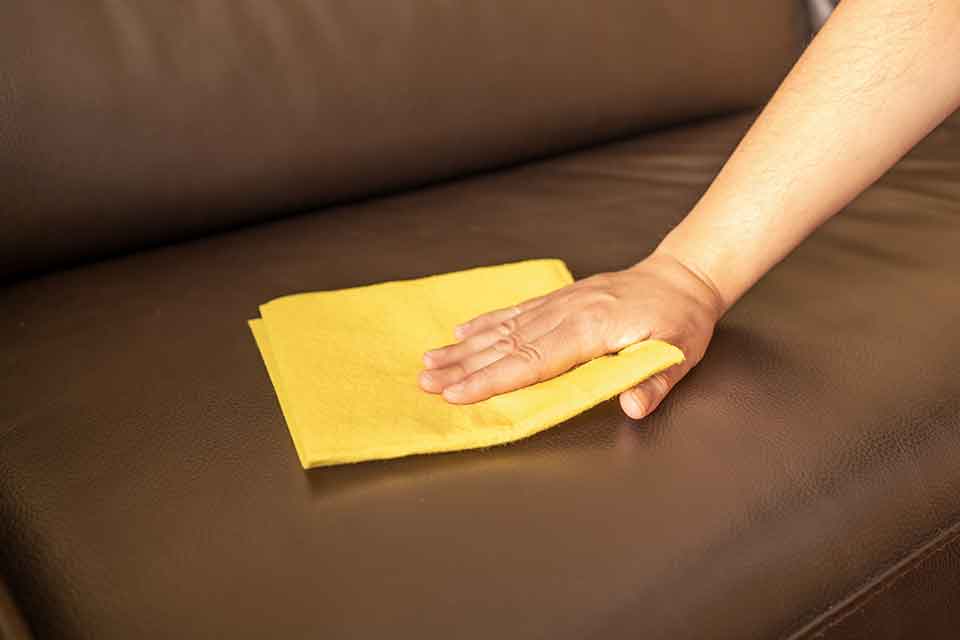
  2. Wring out a microfibre cloth in warm water until it is barely damp. Not wet. Wipe one panel at a time in a light circular motion.
  3. Dry that panel straight away with a second clean cloth before moving to the next.
  4. Let the piece air dry completely, away from direct sun and away from a heater.

Done fortnightly, that is genuinely all most leather needs. The damage we are called out to repair almost never comes from under-cleaning. It comes from somebody using the wrong product once.

When water is not enough

For body oils, hair product transfer on headrests, or a general dulling across the arms, step up to a dedicated pH-neutral leather cleaner. Apply it to the cloth, never directly to the lounge, and always test on a hidden panel first. Work in sections and remove the residue as you go.

Follow with a leather conditioner two or three times a year. Leather is skin, and skin dries out. In a Sydney summer, a lounge sitting near a west-facing window or under a ducted outlet loses moisture fast, and dried-out leather cracks along the seat fold long before it wears through anywhere else.

What to keep away from your leather

  • Vinegar and lemon juice. Acidic. They dissolve the finish and leave dull patches you cannot put back.
  • Dish soap and laundry powder. Alkaline and full of degreasers. They pull the oils out of the hide.
  • Baby wipes. The most common cause of damage we see. The alcohol and surfactants lift pigment, and because the effect is gradual most people do not notice until the arm rest has gone pale.
  • Methylated spirits, acetone, nail polish remover. These will take the colour off in seconds.
  • Silicone-based furniture polish. Leaves a slick film that traps soil and blocks any future conditioner from absorbing.
  • A steam cleaner. Heat and moisture together will shrink and cockle leather. Steam is excellent on carpet and wrong on hide.

Dealing with common marks

Ink. Do not rub it. Rubbing spreads it and drives it into the grain. Blot gently and get a professional in.

Grease or food. Blot the excess, then sprinkle cornflour or talc over the mark and leave it overnight to draw the oil out. Brush it away in the morning. Repeat if needed. Do not wet it.

Pet accidents. Blot immediately, clean with a pH-neutral product, and be aware that if it has soaked into the stitching or through to the foam the smell will keep coming back. That is the same problem we deal with in pet stain and odour removal on carpet, and it needs the source treated rather than the surface.

Scuffs and dye transfer from denim. Light scuffing on pigmented leather often buffs out with a soft cloth. Dye transfer usually does not, and getting it wrong turns a cosmetic issue into a re-colour job.

When to bring in a professional

Call somebody if the leather is aniline or nubuck, if the marking covers a whole panel, if there is cracking or flaking along a seam, or if the piece is worth more than the cost of getting it wrong. Our leather cleaning service uses solutions matched to the finish, and we test before we treat.

It is also worth doing the room together. Leather sits on carpet, and cleaning one while the other holds the dust and dander that caused the problem is half a job. Plenty of customers book leather alongside fabric upholstery cleaning for the other pieces, or with a steam carpet clean in the same visit.

Keeping it right between cleans

  • Keep leather at least a metre clear of heaters and out of direct afternoon sun.
  • Vacuum the crevices fortnightly — grit does more damage than dirt.
  • Blot spills straight away rather than scrubbing them.
  • Rotate loose cushions so wear spreads evenly.
  • Condition two or three times a year, more if the room runs dry.

Adam’s Carpet Cleaning is family-run and has been working on Sydney homes since 2004. Our technicians are IICRC-certified and bring more than 25 years of experience across carpet, upholstery and leather. We cover the whole metropolitan area and offer same-day help when a spill will not wait.

For advice on your own lounge or a free quote, ring 1300 309 276. If you are weighing up whether a piece is worth restoring at all, this may help: is it cheaper to clean or replace?

Mattress Carpet Cleaning

How to Professionally Clean a Mattress

Your mattress plays a vital role in your overall health and comfort, but it can also be a haven for dust mites, bacteria, allergens, and stains. Regular professional cleaning not only extends the life of your mattress but also ensures a healthier sleeping environment. Let’s explore how professionals clean mattresses to restore them to their freshest state.


Why Mattress Cleaning Is Essential

Over time, mattresses accumulate:
  • Dust and Allergens: These can trigger allergies and asthma.
  • Sweat and Stains: Body oils and sweat can seep into the fabric, causing discoloration.
  • Odors: Lingering smells from spills or prolonged use can affect sleep quality.
  • Mold and Mildew: Especially in humid environments, mattresses are prone to mold growth.
Professional mattress cleaning ensures thorough removal of these contaminants, providing a clean and hygienic surface for restful sleep.

Steps to Professionally Clean a Mattress

Here’s how professionals clean mattresses to achieve outstanding results:

1. Initial Inspection

Before starting, the cleaning team inspects the mattress to identify stains, odors, and areas requiring special attention.

2. Vacuuming

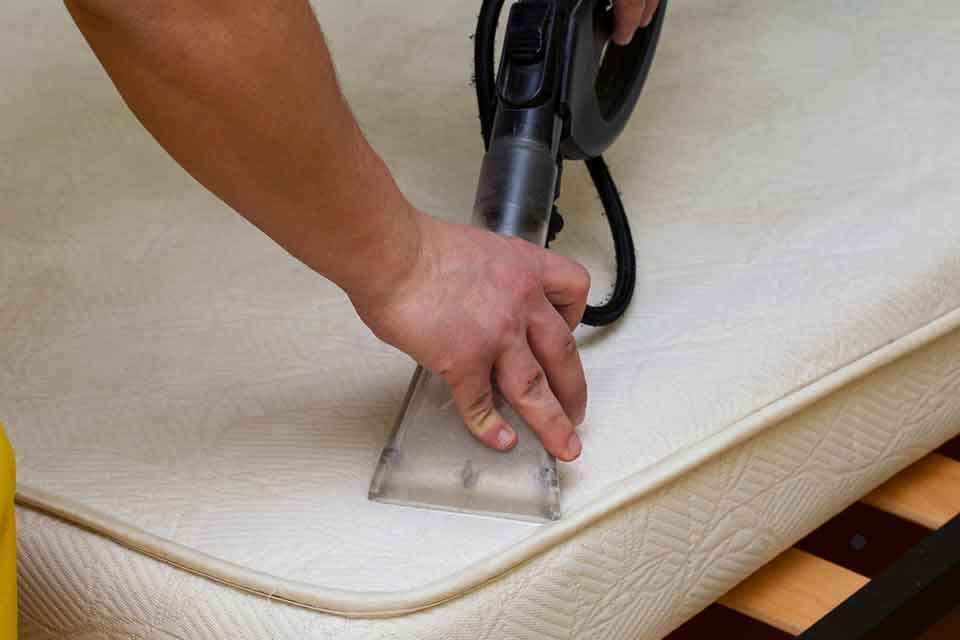
Using a high-powered vacuum cleaner with HEPA filters, professionals remove surface dust, dirt, and debris from the mattress, including allergens and pet hair trapped in the fabric.

3. Spot Treatment for Stains

  • Stains from sweat, spills, or urine are treated with specialised cleaning solutions.
  • Eco-friendly and enzyme-based cleaners break down stubborn stains without damaging the mattress fabric.

4. Deep Cleaning

Professionals use one of the following methods depending on the mattress type and cleaning requirements:
  • Steam Cleaning: High-temperature steam kills bacteria, dust mites, and allergens, while loosening dirt embedded deep within the mattress.
  • Dry Cleaning: For delicate mattresses, a dry-cleaning process uses minimal moisture and specialised cleaning powders to remove dirt and odors.

5. Deodorising

A professional-grade deodorizer is applied to neutralize odors, leaving the mattress smelling fresh.

6. Sanitisation

UV light or antimicrobial treatments may be used to eliminate bacteria, mold, and other harmful microorganisms.

7. Drying Process

Proper drying is crucial to prevent mold and mildew. Professionals use industrial-grade air movers or recommend a well-ventilated environment to ensure the mattress dries completely.

Benefits of Professional Mattress Cleaning

  1. Improved Air Quality: Removes allergens, dust, and bacteria that can affect your breathing.
  2. Better Sleep Hygiene: A clean mattress promotes a healthier and more restful sleep.
  3. Extended Mattress Lifespan: Regular cleaning prevents wear and tear caused by dirt buildup.
  4. Odor Removal: Neutralizes unpleasant smells, leaving your mattress fresh and inviting.

DIY vs. Professional Mattress Cleaning

While vacuuming and spot cleaning at home can help maintain your mattress, professional cleaning delivers deeper and more effective results. Professionals use advanced equipment and techniques to remove contaminants that DIY methods can’t.

Why Choose Adam’s Carpet Cleaning for Mattress Cleaning?

At Adam’s Carpet Cleaning, we specialize in professional mattress cleaning tailored to your needs. Here’s why clients trust us:
  • Experienced Team: Trained experts handle your mattress with care.
  • Eco-Friendly Products: Safe for your family and the environment.
  • Comprehensive Services: From stain removal to odor neutralization, we cover it all.
  • Fast and Reliable: Quick turnaround to minimise inconvenience.

Book Your Mattress Cleaning Service Today!

Don’t let an unclean mattress compromise your sleep and health. Trust the experts at Adam’s Carpet Cleaning to restore your mattress to its best condition. Contact us now to schedule a professional cleaning or learn more about our services.
Tile Grout Cleaning

What is best for cleaning tile grout?

Tile grout plays a crucial role in maintaining the structure and aesthetic appeal of tiled surfaces. However, over time, grout can become stained and discolored due to dirt, spills, and moisture. Cleaning tile grout effectively requires the right tools, techniques, and products. But what is the best way to clean tile grout? Let’s explore.


Understanding Grout and Why It Gets Dirty

Grout is a porous material that fills the gaps between tiles, making it susceptible to:
  • Stains from spills like coffee, wine, and oil.
  • Dirt and dust buildup, especially in high-traffic areas.
  • Mold and mildew growth in damp environments like bathrooms.
Because grout absorbs dirt and grime, regular cleaning is essential to prevent discoloration and maintain hygiene.

Best Methods for Cleaning Tile Grout

Here are some tried-and-tested methods for keeping your grout clean and fresh:

1. Baking Soda and Vinegar

A natural and effective solution, baking soda and vinegar are excellent for tackling light stains.
  • How to use:
    1. Make a paste of baking soda and water.
    2. Apply the paste to the grout lines.
    3. Spray vinegar over the paste and let it fizz.
    4. Scrub gently with a grout brush and rinse with warm water.

2. Hydrogen Peroxide

Hydrogen peroxide is great for disinfecting and removing moderate stains.
  • How to use:
    1. Apply hydrogen peroxide directly to the grout.
    2. Let it sit for 10-15 minutes.
    3. Scrub and rinse with water.

3. Oxygen Bleach

For tough stains, oxygen bleach is a powerful, non-toxic option.
  • How to use:
    1. Mix oxygen bleach with water as per the instructions.
    2. Apply it to the grout and let it sit for 10-15 minutes.
    3. Scrub and rinse thoroughly.

4. Steam Cleaning

Steam cleaning is one of the most effective methods for deep-cleaning grout without harsh chemicals.
  • How it works:
    • A steam cleaner uses high-pressure steam to loosen dirt, grime, and bacteria embedded in grout lines.

5. Professional Grout Cleaning Services

For stubborn stains, mold, or discolored grout, professional cleaning is the best option. Professionals use advanced equipment, specialised cleaning agents, and sealing techniques to restore grout to its original condition.

Tips for Maintaining Clean Grout

  1. Seal Your Grout Apply a grout sealer after cleaning to prevent dirt and moisture absorption.
  2. Clean Spills Immediately Wipe up spills as soon as they happen to avoid staining.
  3. Use the Right Tools Always use a soft brush or grout-specific cleaning tool to avoid damaging the grout.
  4. Schedule Regular Professional Cleaning Professional cleaning ensures deep-cleaned grout and extends the life of your tiled surfaces.

Why Choose Adam’s Carpet Cleaning for Grout Cleaning?

At Adam’s Carpet Cleaning, we offer expert tile and grout cleaning services tailored to your needs. Our team uses eco-friendly cleaning solutions and state-of-the-art equipment to:
  • Remove even the toughest stains.
  • Eliminate mold, mildew, and bacteria.
  • Restore the original color and shine of your grout.

Get Started Today!Don’t let dirty grout ruin the look of your tiles. Trust Adam’s Carpet Cleaning to deliver exceptional results.Call us now or book online to schedule your tile and grout cleaning service. Let us help you maintain sparkling floors effortlessly!
rug-cleanig

Is Rug Cleaning the Same as Carpet Cleaning?

Rugs and carpets are essential components of interior decor, offering comfort, warmth, and style to your home or office. However, when it comes to maintaining their pristine appearance and hygiene, many people wonder: is rug cleaning the same as carpet cleaning? While both involve cleaning floor coverings, there are key differences in their methods, techniques, and care requirements.

Key Differences Between Rugs and Carpets

  1. Material and Construction Rugs are often made of delicate or specialised materials like wool, silk, or synthetic blends and can feature intricate designs. Carpets, on the other hand, are generally wall-to-wall installations made from durable materials like nylon, polyester, or polypropylene. This difference means that rugs require gentler, more specific cleaning approaches.
  2. Portability Rugs can be picked up, moved, and cleaned in an off-site facility if needed. Carpets are fixed to the floor, making them more challenging to clean and necessitating on-site methods.
  3. Cleaning Methods Rugs often require handwashing or dry cleaning to preserve their delicate fibers and colors. Carpets are typically cleaned using steam cleaning, hot water extraction, or other large-scale methods suited for durable materials.

How Rug Cleaning Differs from Carpet Cleaning

  1. Pre-Treatment For rugs, pre-treatment involves inspecting the material, identifying stains, and testing for colorfastness. For carpets, pre-treatment usually targets high-traffic areas and set-in stains using more robust solutions.
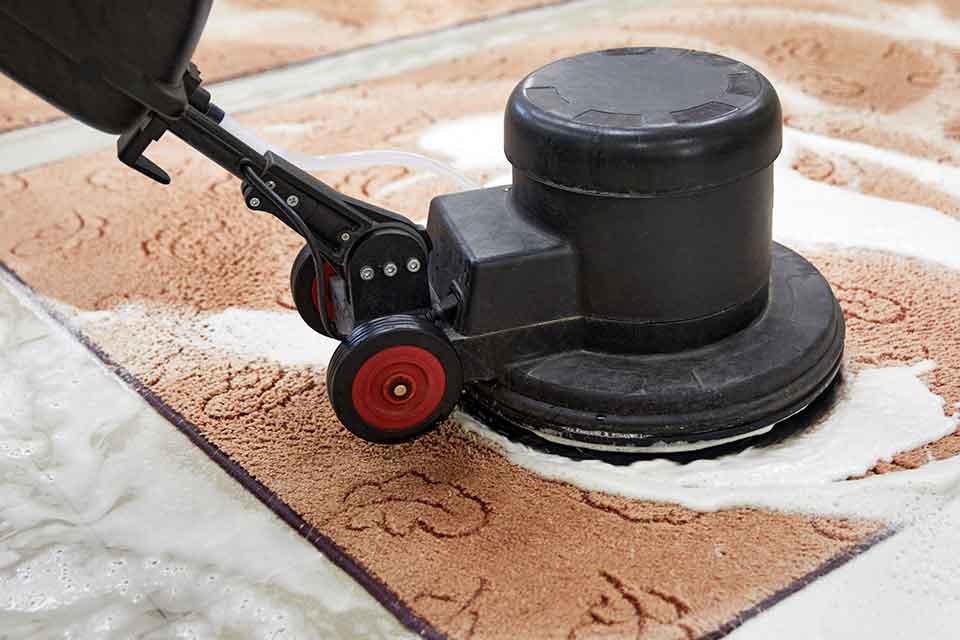
  2. Cleaning Process Rugs might be cleaned using gentle detergents and handwashing, especially for antique or high-value pieces. Carpets, being sturdier, can withstand intensive methods like hot water extraction or shampooing.
  3. Drying Process Rugs are often air-dried in controlled environments to avoid fiber damage or shrinking. Carpets, on the other hand, rely on industrial-strength fans and dehumidifiers for quicker drying.

Why Professional Cleaning Matters

Both rugs and carpets benefit greatly from professional cleaning services. Professionals have the expertise to choose the right cleaning methods, ensuring no damage to your flooring investment. For rugs, a professional cleaner can handle delicate materials with care, preventing fading or fiber wear. For carpets, they ensure deep cleaning that removes embedded dirt, allergens, and bacteria, enhancing both appearance and indoor air quality.

Trust Adam’s Carpet Cleaning for Rug and Carpet Care

At Adam’s Carpet Cleaning, we understand the unique requirements of both rugs and carpets. Our tailored cleaning services ensure every piece receives the care it deserves, restoring its beauty and extending its lifespan. Whether it’s a treasured handwoven rug or a high-traffic carpet, our team uses state-of-the-art equipment and eco-friendly cleaning solutions to deliver outstanding results. Contact us today to learn more about our specialised rug and carpet cleaning services or to schedule an appointment. Let us help you maintain a cleaner, healthier home!